


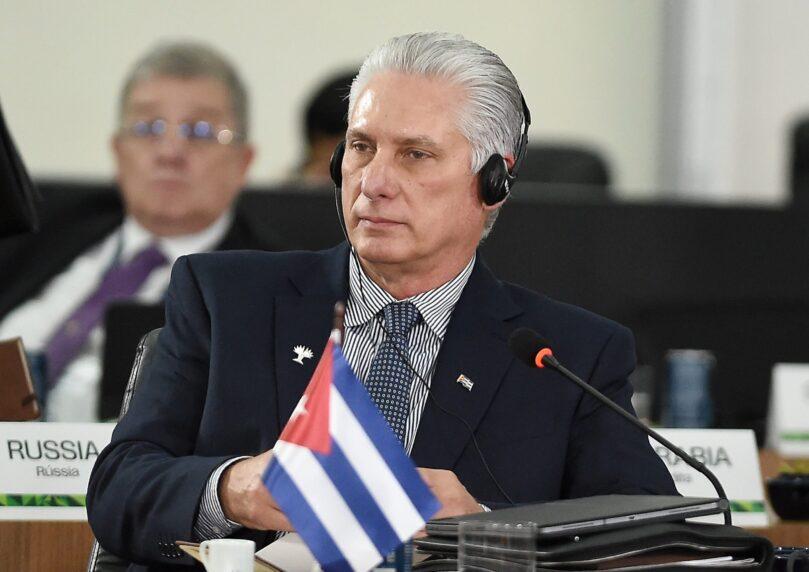
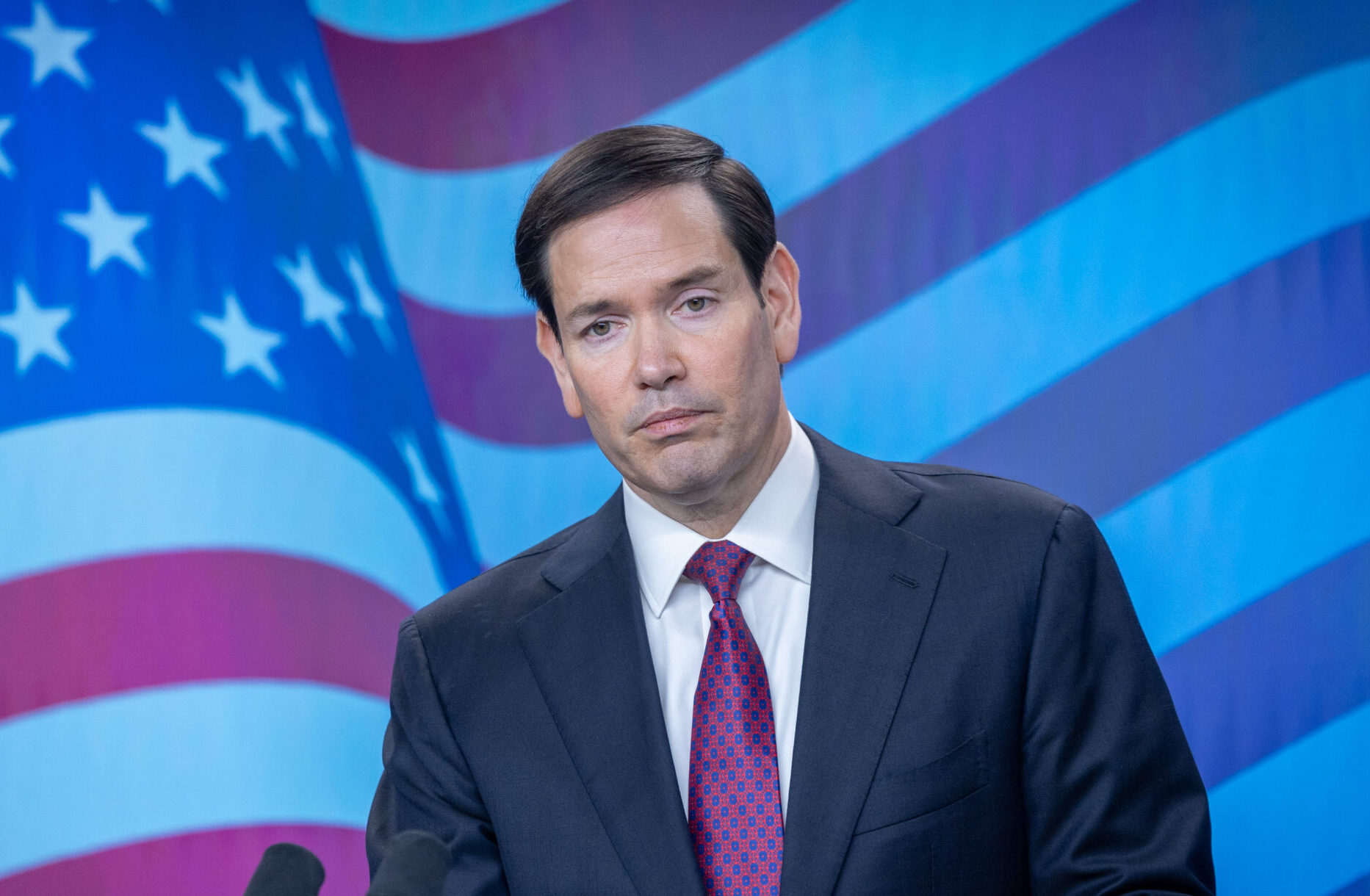
The United States imposed a new round of sanctions on Cuban entities and companies, Secretary of State Marco Rubio announced. The move comes as part of the American effort to intensify pressure on the communist regime in Havana, accused of exporting destructive ideologies and subversive activity. The sanctions target entities involved in financing repression and advancing anti-American agendas around the world.

 1+
1+Among the entities hit with the new sanctions are nine state-owned mining, metal, and construction companies, the Ministry of Construction, and senior officials linked to the Cuban Institute for Friendship with the Peoples (ICAP). Secretary of State Rubio accused these entities of “leading a new brigade of international supporters to Havana” and “exporting Marxism, racial hatred, and communist violence around the world.” ICAP, founded in 1960 by former leader Fidel Castro, serves the Cuban government in cultivating ties with similar organizations worldwide. Rubio claimed the group “misleads and corrupts American citizens with lies, espionage techniques, and wickedness.” The group’s president, Fernando Gonzalez Llort, a member of a Cuban spy network, was also included on the sanctions list.
 1+
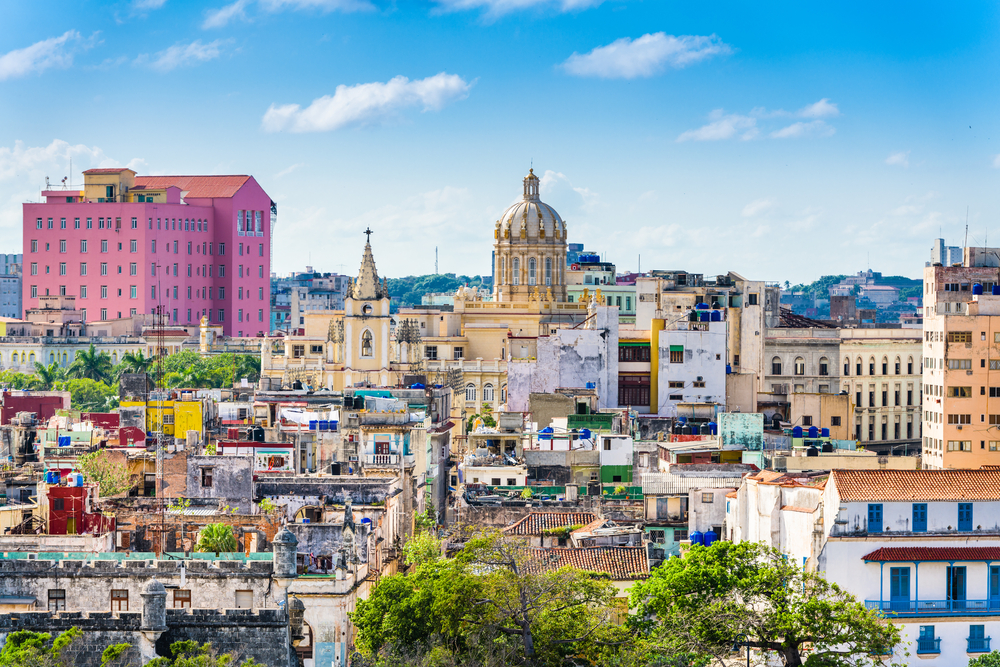
1+Cuban Foreign Minister Bruno Rodriguez condemned the announcement, claiming it was designed to “punish” Cuban companies and further damage the economy. According to him, the sanctions prevent the government from “ensuring basic services for the population, which are in critical condition as a result of the blockade.” Cuba is already suffering from an effective oil embargo imposed by the US since the beginning of the year. The island’s aging electrical infrastructure relies heavily on fuel imports, forcing hospitals to use emergency generators. Long and frequent power outages have sparked rare protests in Cuba, where public dissent is typically punished with lengthy prison sentences. The country’s tourism industry has also collapsed, worsening the government’s dire economic situation.