


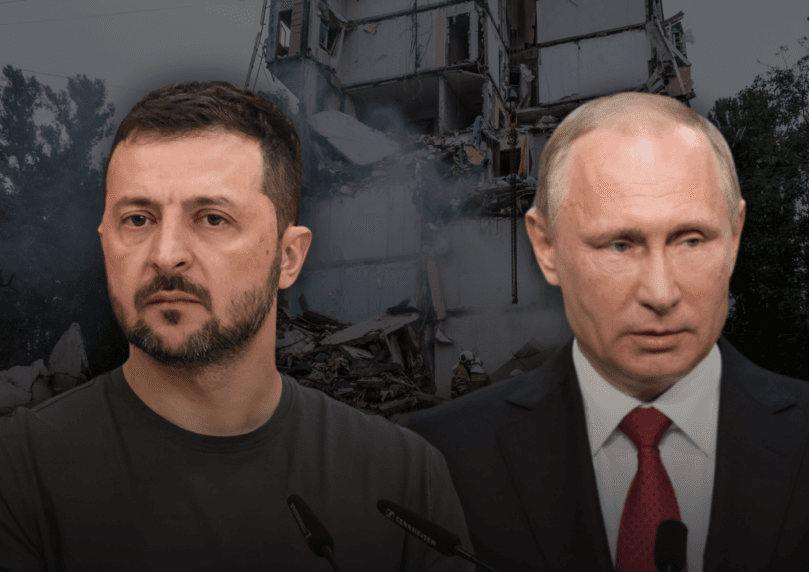

Russia on Friday rejected a temporary Black Sea ceasefire proposed by Ukraine, with Moscow saying there was “no basis” for granting Kyiv a temporary truce following the latest escalation between the two countries, during which at least 50 cargo ships have reportedly been attacked in the region over the past two months.

 1+
1+Russia’s position comes after Deputy Foreign Minister Alexander Grushko said his country had not received a formal proposal on the matter, despite what he described as numerous calls for ceasefires through various channels. A source in Kyiv told European media that Ukraine had conveyed a proposal to Russia through a third party calling for an end to strikes on civilian targets at sea.
The proposal came amid a significant escalation in attacks on ships and coastal facilities in the Black Sea. The violence has raised concerns that the war could once again spill over into global food markets, particularly because Russia and Ukraine are major exporters of grain and agricultural products, including wheat.
 1+
1+Ports around Odesa in southern Ukraine were attacked by Russia in late July, damaging dozens of vessels, according to Ukrainian reports. The attacks led some shipowners to suspend operations and forced Ukraine to rely more heavily on alternative export routes. Ukraine responded by striking Russian facilities in the Black Sea, forcing Russia to suspend operations at three terminals at a port on its territory.
The two countries previously agreed to a similar Black Sea arrangement in 2022, shortly after the war began, brokered by the United Nations and Turkey. That agreement survived until July 2023, when Russia refused to extend it. Following its collapse, Ukraine established an alternative maritime corridor that allowed exports to continue moving through the Black Sea. The route remained operational until the latest escalation began.