


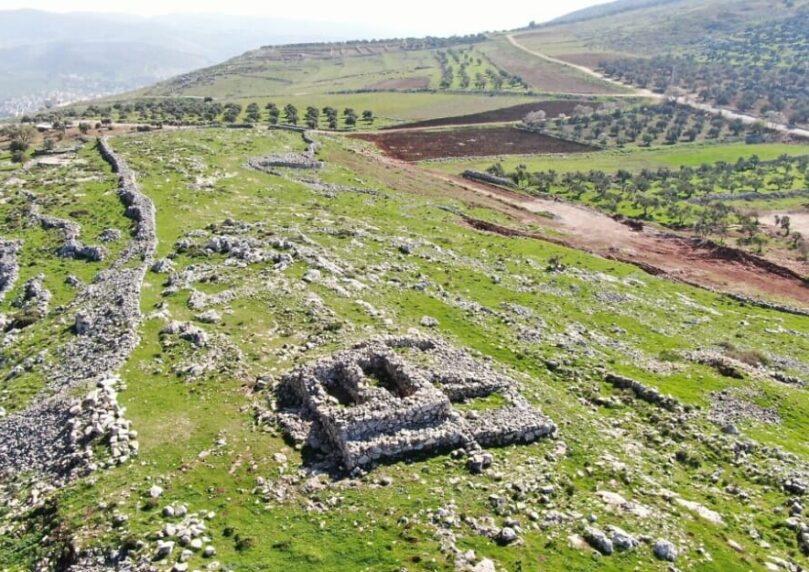

You can study the Bible in a classroom. You can view pottery shards behind museum glass. Or you can stand on a mountain, look out over the landscape where the story unfolded, and discover that the distance between history and your own life is far shorter than it seems. That’s the starting point for “Derech Eretz Moreshet” (Heritage Land Route).
 1+
1+Judea and Samaria contain historical layers from multiple eras: biblical sites, ancient cities, fortresses, remnants from the Second Temple period, Byzantine monasteries, and evidence from Muslim and Ottoman periods. What makes this territory unique isn’t just the variety of periods, but its central role in shaping the earliest identity of the Jewish people in the land. Yet much of this story remains virtually unknown to the public. Israel has some of the most important heritage sites for understanding the origins of the Jewish people and the biblical narrative, but many receive almost no exposure. That’s why the goal isn’t just to dig and discover—it’s to make accessible, preserve, and bring to life.
For this effort, a budget of roughly a quarter billion shekels has been allocated to advance preservation, development, and accessibility of heritage sites throughout Judea and Samaria. This is a large-scale investment aimed at transforming these sites from lesser-known historical stories into living, accessible spaces familiar to the Israeli public. The way sites are presented is also changing. Instead of talking only about layers, walls, and dates, the approach is to start with people and drama. Who stood here? What did they fear losing? What decision was made in this place? How did the people whose remains lie beneath our feet actually live?

 1+
1+That’s why simply getting to the site matters. One of the initiative’s core principles is that connection happens through presence: seeing with your own eyes, standing inside the site, and linking past, identity, and responsibility for its preservation. The work itself happens simultaneously behind the scenes. The KAMT Archaeology Unit describes daily activity of research, excavation, preservation, and making antiquities sites accessible. In recent years, development, accessibility, and preservation efforts have expanded, aiming to make more sites accessible to the public. Ultimately, “Derech Eretz Moreshet” isn’t trying to turn archaeology into an attraction. Rather, archaeology is the way we understand who lived here, what they left behind, and how their story reached us.
Heritage Minister Amichai Eliyahu (Jewish Power): “‘Derech Eretz Moreshet’ was born from the understanding that our heritage can’t remain only in books and research. Throughout Judea and Samaria are dozens of sites that tell central chapters in the history of the Jewish people, and our goal is to preserve them, study them, and especially open them to the public and make them part of the Israeli experience. The major investment in this initiative is meant to create long-term change—from sites that many don’t know at all, to a living heritage landscape where families, students, and hikers can walk the paths of history and encounter their own story.”