


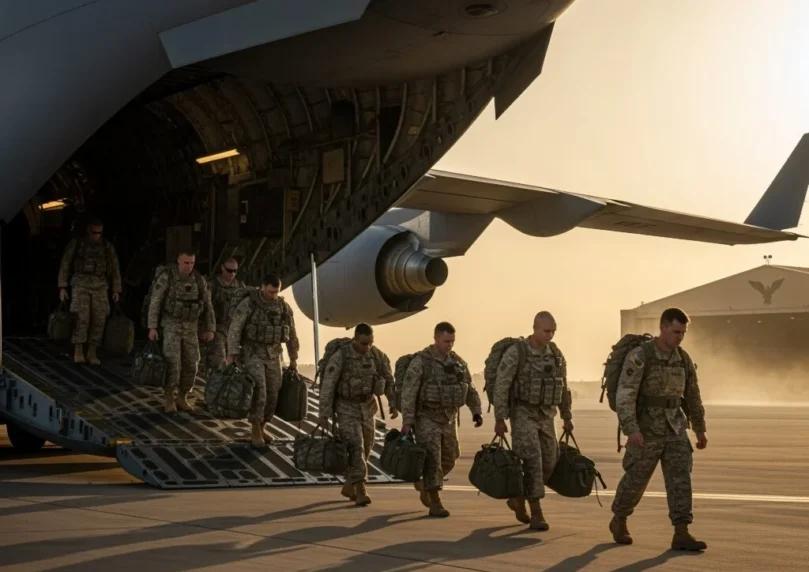

More than two decades after the U.S.-led invasion of Iraq, the United States is expected to withdraw its remaining troops from the country by September 30, bringing a long and turbulent military chapter to a close.
Iraqi Prime Minister Ali al-Zaidi met Wednesday with U.S. Central Command chief Adm. Brad Cooper and stressed that the date set for the conclusion of the coalition mission and the withdrawal of its forces is “fixed and final.” A U.S. official confirmed that the withdrawal is expected to be completed by the end of September.

 4+
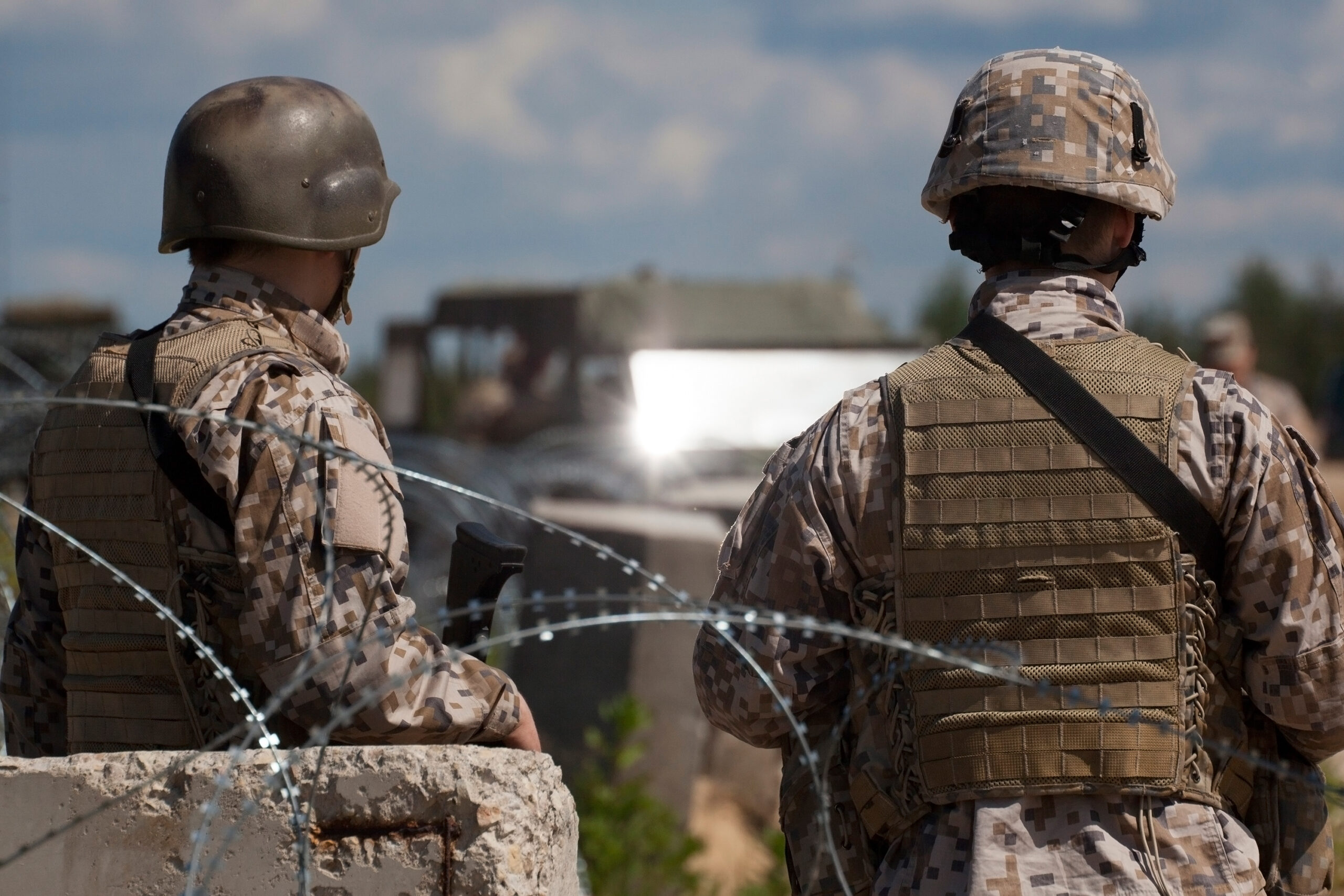
4+According to a statement from the Iraqi prime minister’s office, al-Zaidi and Cooper reaffirmed the timetable for ending the international coalition’s mission against ISIS in the country. The Iraqi statement described September 30 as the “fixed and final date” for concluding the coalition’s military mission and completing the withdrawal of its forces from Iraq.
The Iraqi prime minister declared that October 1 will mark a new day for the country, which he said will be free of any foreign military presence and will assume responsibility for its own security and stability. A U.S. official confirmed that Washington expects to complete the withdrawal by September 30, but did not disclose how many American troops remain in Iraq or where they will be transferred after leaving.
 4+
4+The withdrawal is not expected to end security or diplomatic relations between the two countries. According to the Iraqi statement, relations between Baghdad and Washington will enter a new phase of cooperation and partnership in the fields of economics, development and security, with an emphasis on respect for sovereignty and shared interests.
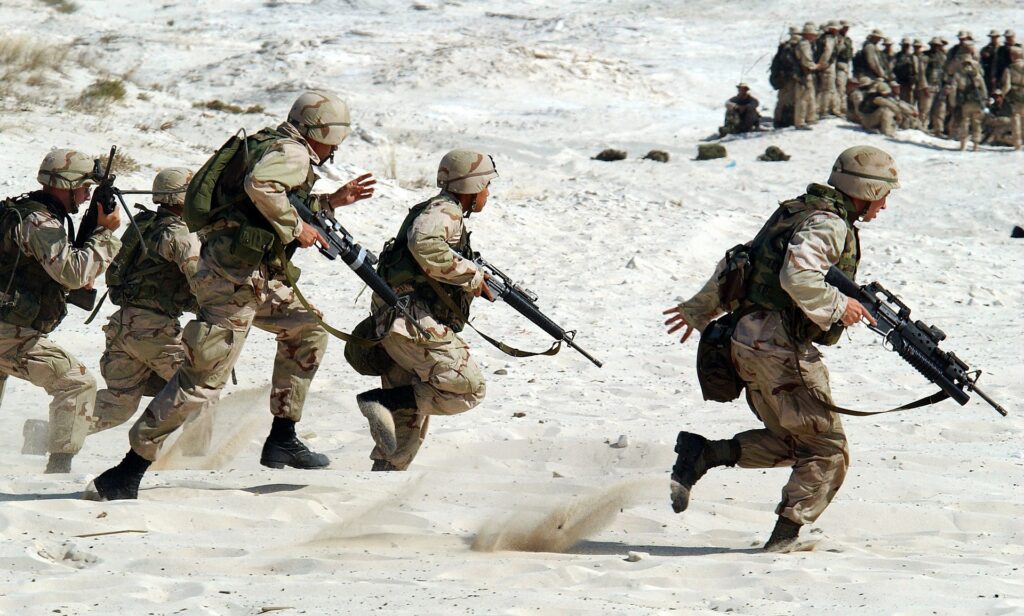
The American military presence in Iraq began with the U.S.-led invasion in 2003, which toppled Saddam Hussein’s regime. At the height of American operations in the country in 2007, more than 170,000 U.S. troops were deployed in Iraq.
 4+
4+However, the American military presence has not remained continuous in the same form. In 2011, the U.S. completed a broad withdrawal of its forces from Iraq, but American troops returned in 2014 following the rise of ISIS and its seizure of vast territories across Iraq and Syria. Since then, U.S. forces have operated as part of the international coalition against the terrorist organization.
The nature of the mission has also changed in recent years. The coalition’s combat mission formally ended in 2021, with the remaining forces focusing primarily on advising, training and assisting Iraqi security forces in their fight against ISIS.
 4+
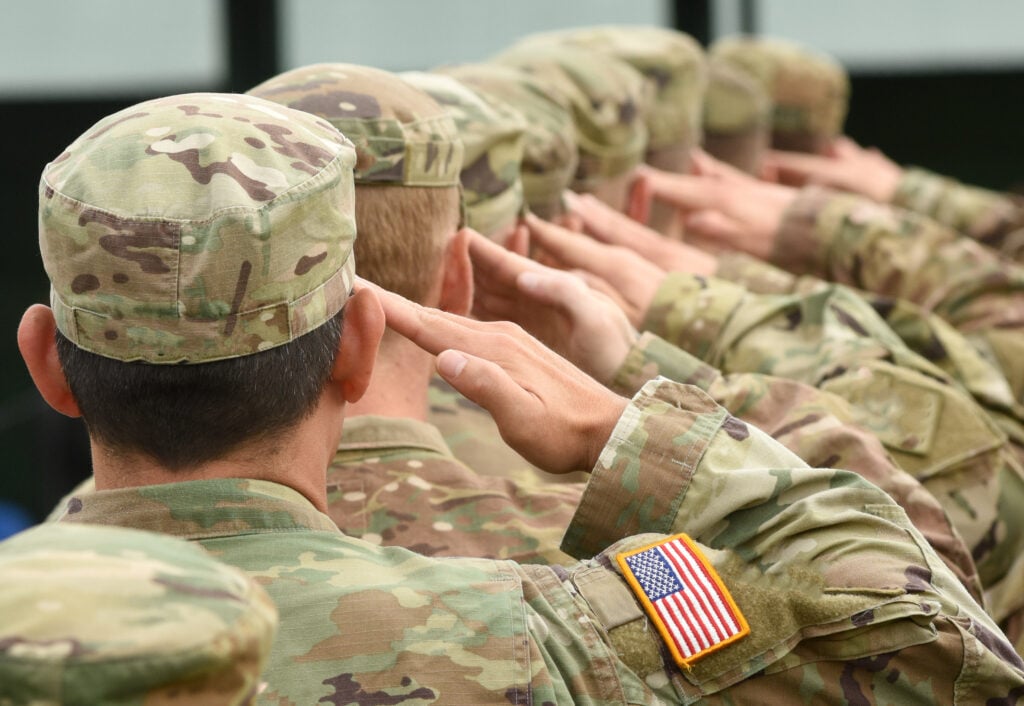
4+In 2024, Washington and Baghdad reached an agreement on a process to end the coalition’s operations and gradually transfer security responsibility to Iraqi forces. Most American troops have already departed, while a smaller force has remained primarily in the Kurdish region of northern Iraq.
The completion of the withdrawal on September 30 is expected to mark a significant shift. Responsibility for confronting ISIS and other security threats will pass more fully to Iraqi forces, including Kurdish Peshmerga forces that have received U.S. support for years.
 4+
4+For Baghdad, the withdrawal is also a declaration of sovereignty. The Iraqi government is seeking to present October 1 as the beginning of a new phase in which the country is capable of defending itself without the presence of foreign military forces.
However, the departure of American troops does not signal a break between the United States and Iraq. The intention is to replace the coalition’s military framework with a relationship based on direct cooperation between the two countries.
One chapter in Washington and Baghdad’s relationship is ending—but after more than two decades of war, withdrawal and return, what follows may prove just as consequential.