


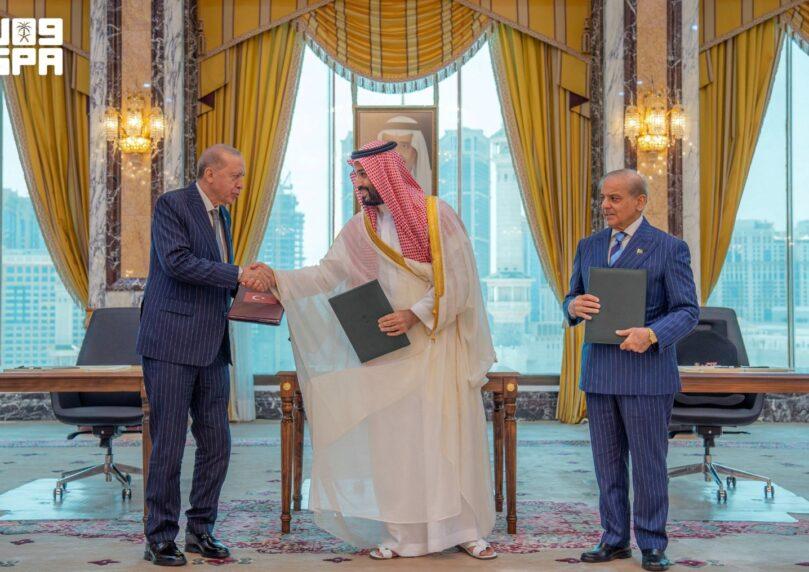

The newly signed “Mecca Pact,” a defense alliance between Saudi Arabia, Turkey and Pakistan, continues to dominate headlines across the Arab world and the broader Middle East. But less than a week after its signing, senior officials from its member states are already publicly describing the agreement in noticeably different terms.
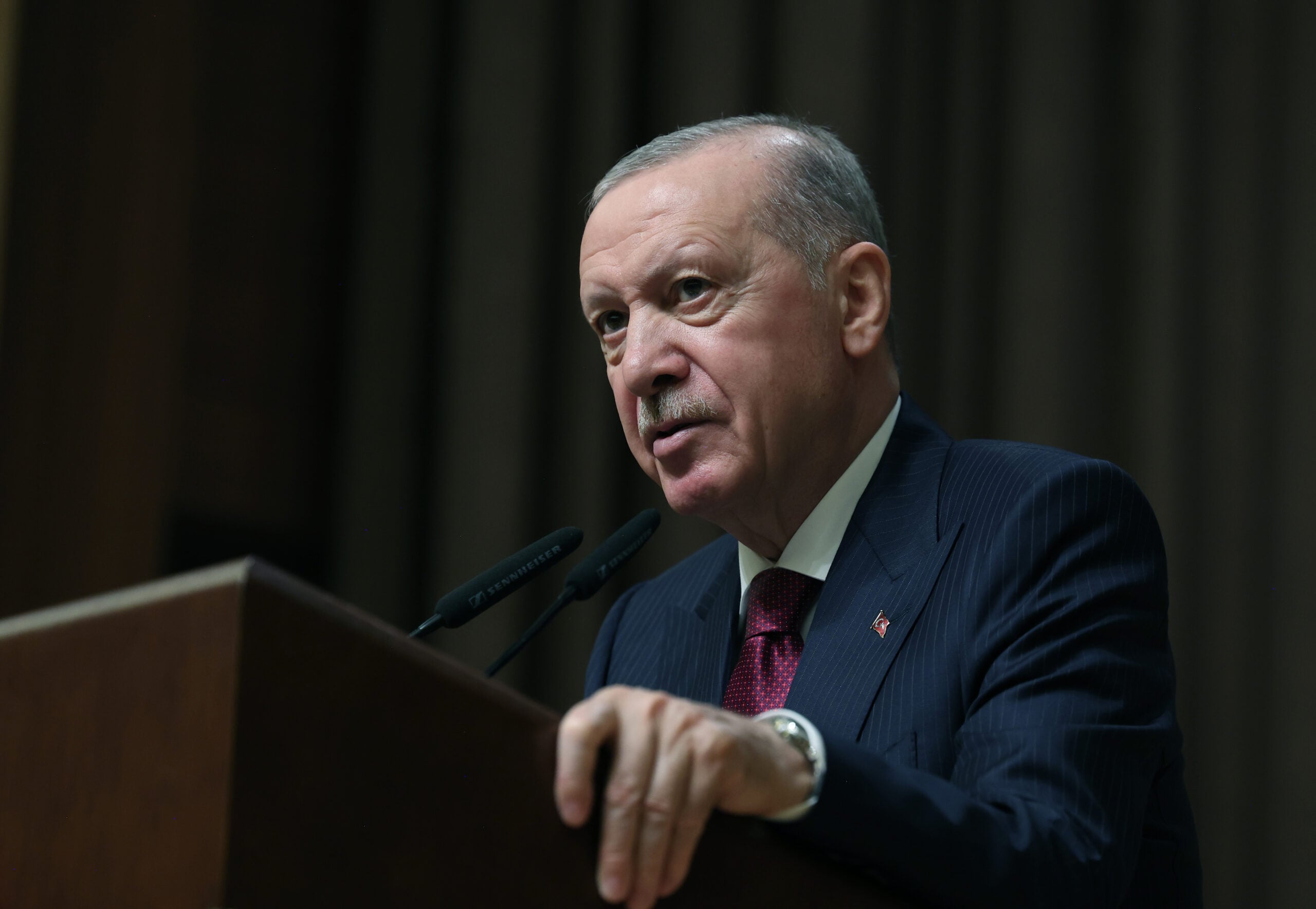
Among them is Turkish President Recep Tayyip Erdoğan, who spoke to Saudi media today (Wednesday) about the pact and offered several revealing comments about its purpose. Asked whether the agreement was connected to escalating tensions between the United States and Iran, Erdoğan said: “There is no doubt that the escalating tensions between the United States and Iran pose a serious threat to developments taking place in the region. However, it would be a mistake to reduce the ‘Mecca Joint Defense Pact’ to merely a circumstantial response to this escalation.”


 2+
2+In other words, tensions with Iran may have helped drive the agreement—but according to Erdoğan, its purpose extends beyond responding to potential Iranian actions.
Pakistan’s foreign minister, however, has sounded somewhat different. During a conversation with his Iranian counterpart, Abbas Araghchi, the senior Islamabad official stressed that the agreement with Saudi Arabia and Turkey is in no way offensive—and is not directed against Iran. According to him, the pact is intended to strengthen strategic cooperation and contribute to regional peace and security.
One point on which the two officials have remained consistent is their desire to leave the door open to additional countries joining the pact. But even there, their audiences were notably different.
 2+
2+Erdoğan raised the possibility while speaking to Saudi media, potentially signaling toward Egypt. Pakistan’s foreign minister made the point while speaking directly with Araghchi, leaving open the question of whether he was suggesting that Iran itself could eventually join the agreement.
Erdoğan was also asked about one of the pact’s most consequential provisions: although the agreement is described as defensive, its language states that an attack against one member will be considered an attack against all three.
The Turkish president said the “Mecca Joint Defense Pact” is based first and foremost on the principle of collective deterrence. Its fundamental principle, Erdoğan explained, is that any threat to the security of one party is considered a security threat to all signatories.
However, he stressed that the agreement should not be viewed solely in military terms. According to Erdoğan, its principal objective is to strengthen deterrence and reinforce the members’ collective sense of security through stronger mutual guarantees.
 2+
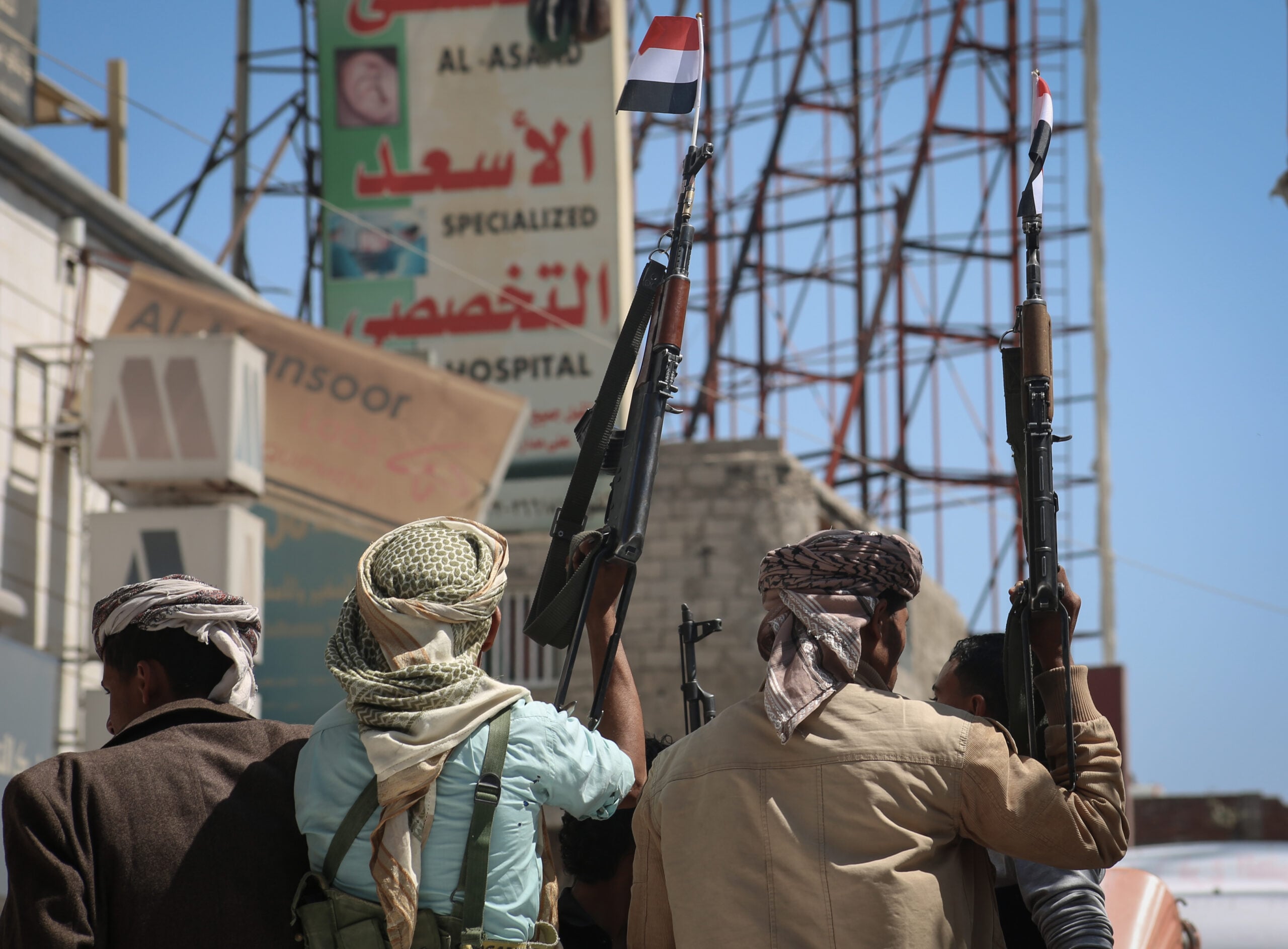
2+But Erdoğan’s description is already colliding with events on the ground. Since the agreement was signed, the Iranian-backed Houthis have attacked an Aramco energy facility in southern Saudi Arabia. Neither Saudi Arabia nor Turkey has yet responded to the terrorist organization’s attack.
Less than a week after the pact was signed—and despite celebratory headlines across its member states—the differences surrounding the agreement do not appear likely to disappear anytime soon. For now, the Strait of Hormuz remains closed, Iran continues attacking Saudi Arabia through its proxies in Yemen and Iraq, and the deterrence Erdoğan described remains nowhere in sight.
The Mecca Pact may promise that an attack on one is an attack on all—but its first real test is already raising a more uncomfortable question: what happens when no one answers?