


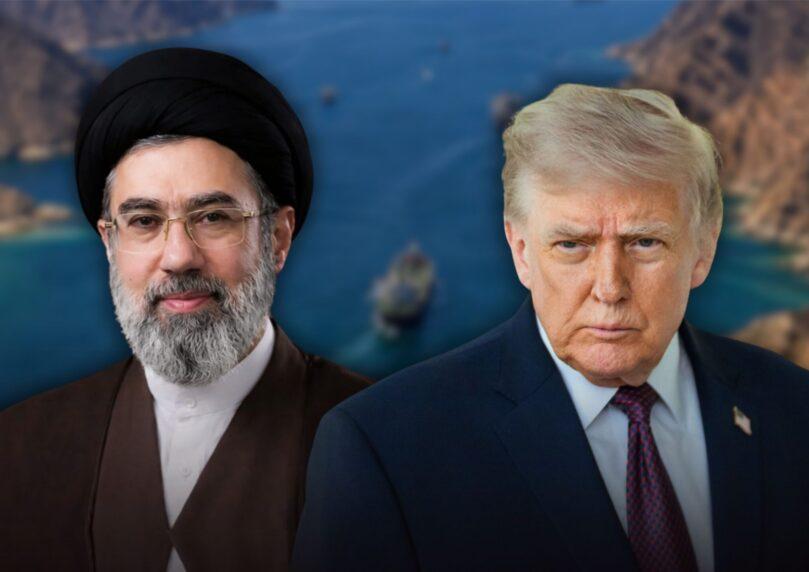

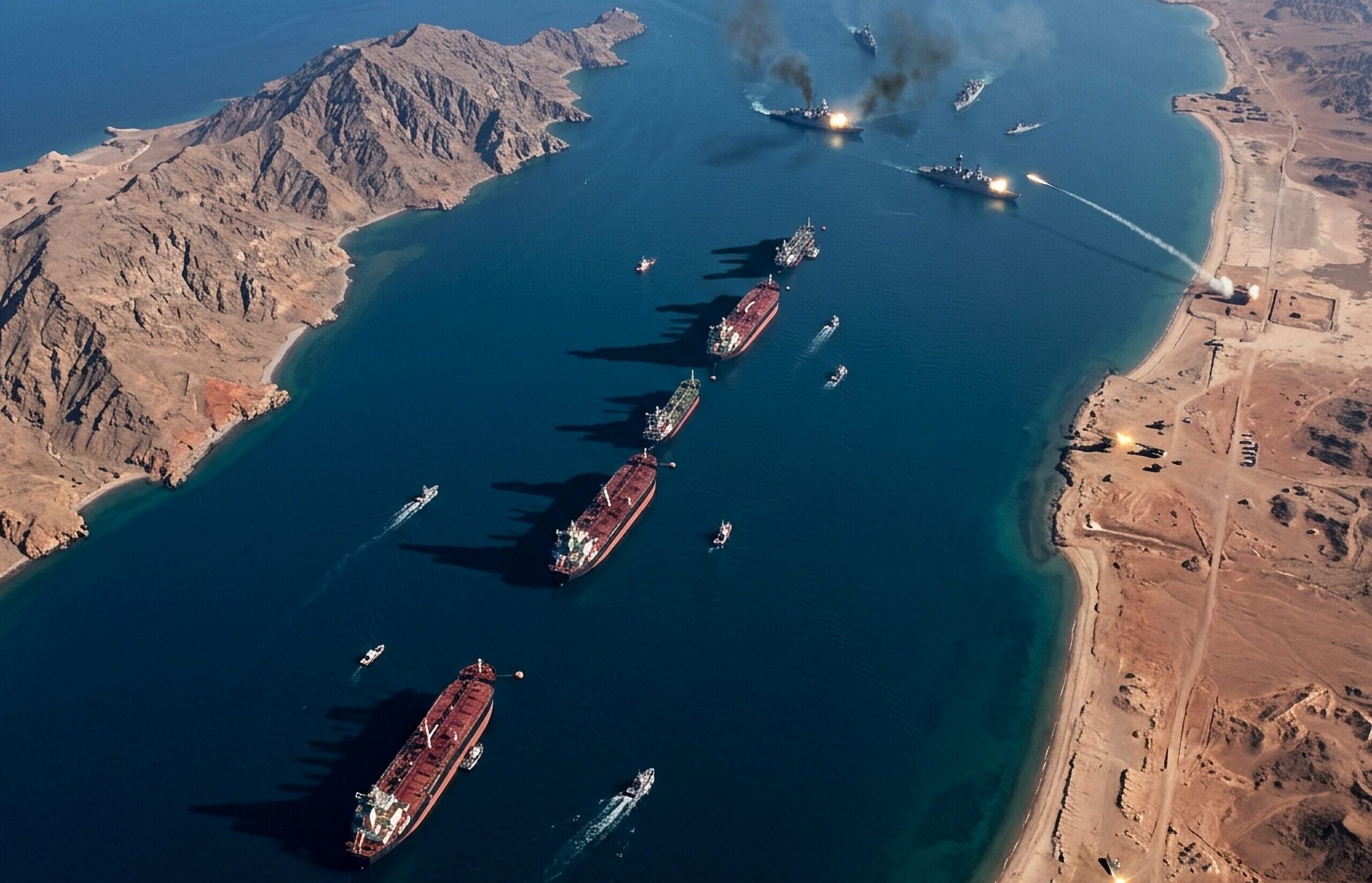
Talks to reopen the Strait of Hormuz are continuing under pressure from mediators Pakistan and Qatar, but the ground keeps burning. Alongside reports of a tanker attack in the strait and a strike on a Kurdish-Iranian opposition base in Iraq, Pakistan insists a peace deal between the U.S. and Iran is closer than ever. Meanwhile, Pakistan’s interior minister landed in Tehran for a round of security meetings amid growing signs of real progress between the countries. Negotiations to reopen the Strait of Hormuz are ongoing, with both mediators—Pakistan and Qatar—claiming again today (Tuesday) that real progress is being made toward a deal between Iran and Oman. According to reports, the countries are working to restart direct contacts between Tehran and Washington, while Pakistan insists a peace agreement between the U.S. and Iran is closer than ever and that there are growing indications of this.

 2+
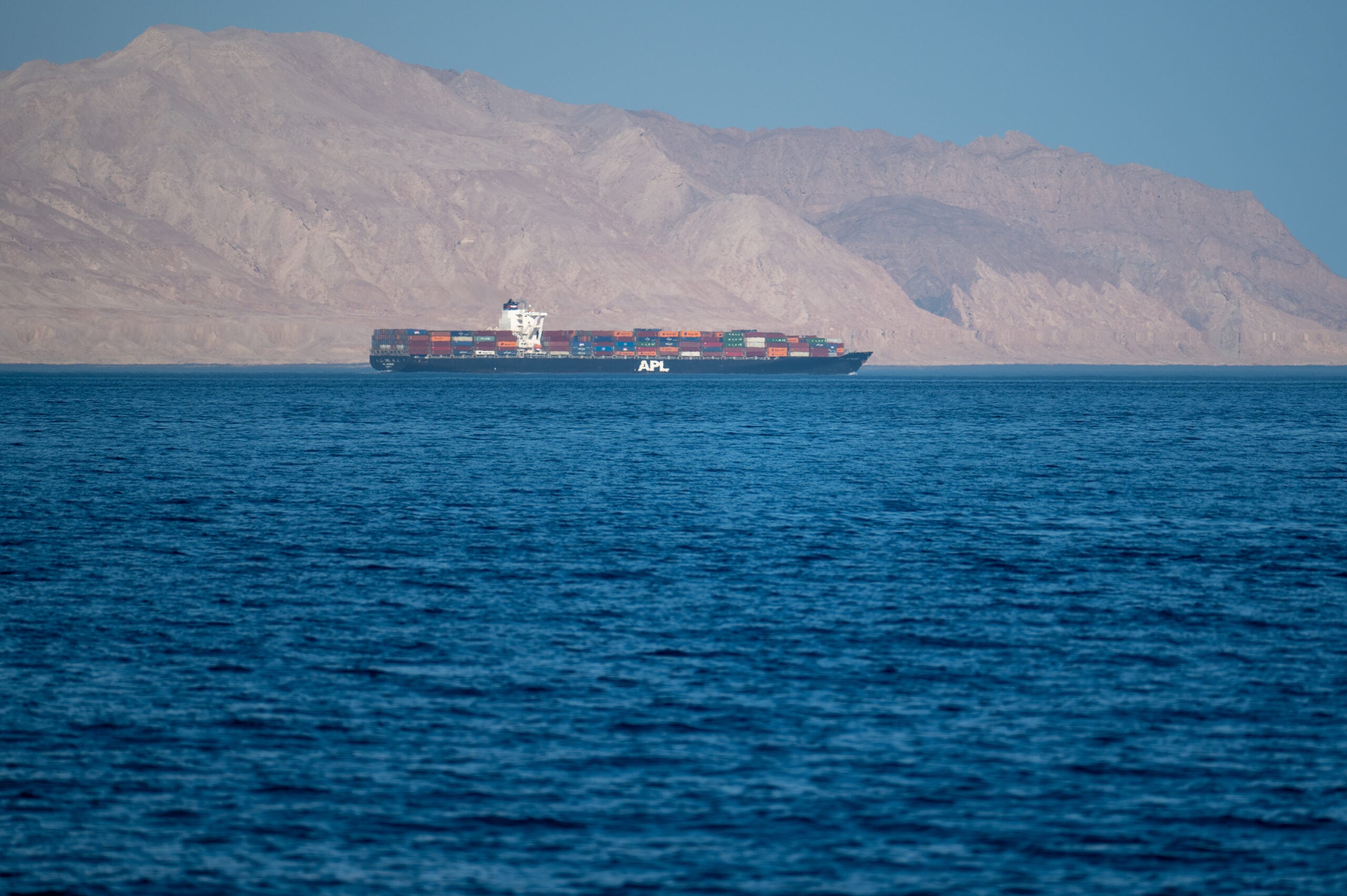
2+Pakistan’s interior minister landed in Tehran for meetings with local officials. The country claims diplomatic contacts are gaining momentum and point to a real possibility of a historic arrangement between the sides. But against the diplomatic talk, the ground keeps burning. Alongside reports of progress, this morning brought news of a tanker attack in the Strait of Hormuz and a strike on a Kurdish-Iranian opposition force base near Erbil in northern Iraq. Meanwhile, senior regime officials in Tehran continue sending aggressive messages toward the U.S. and making clear that even a possible agreement with Oman on a shipping route won’t guarantee the strait’s reopening.
 2+
2+Iran Digs In
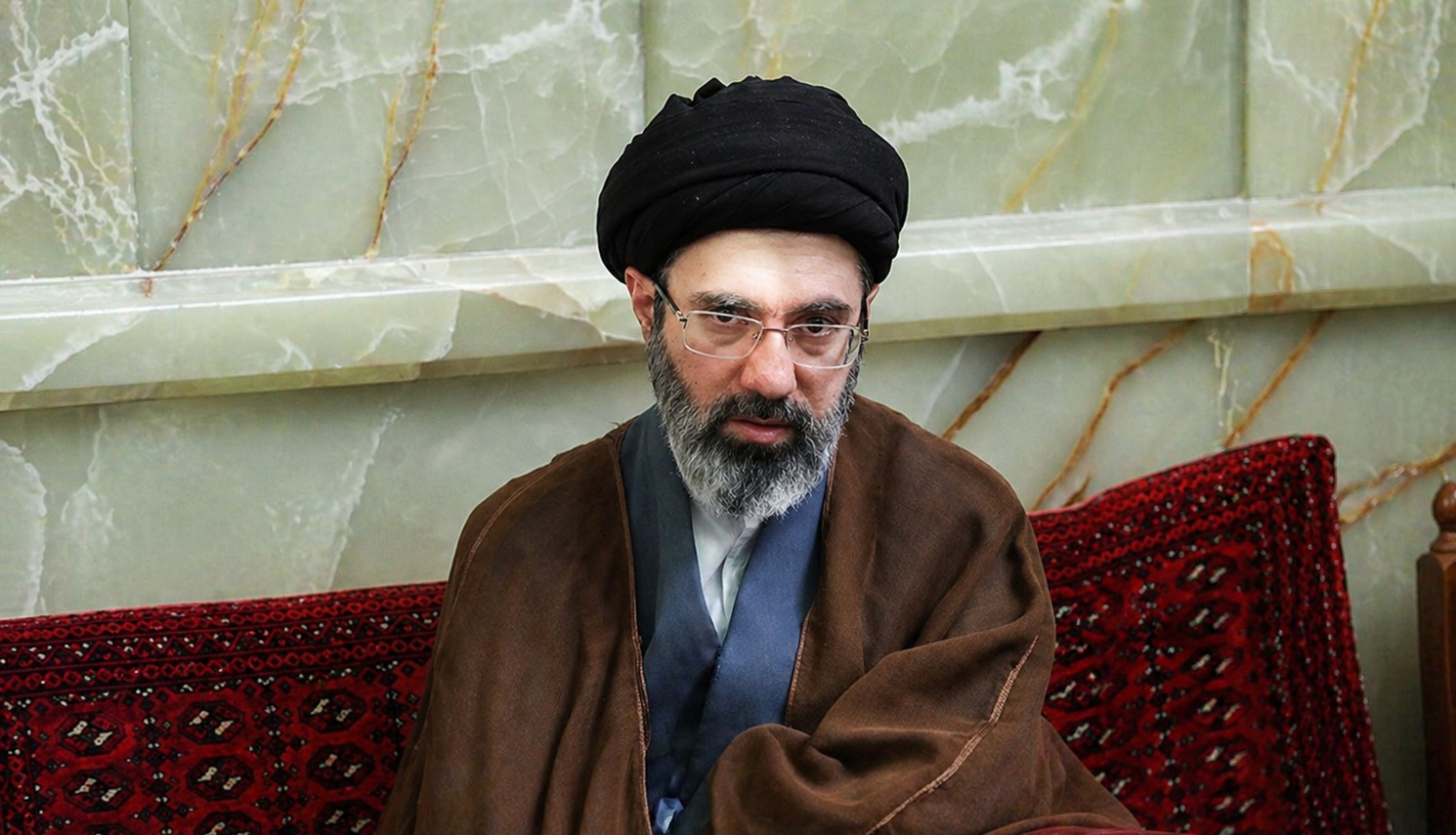
Iran has set a series of harsh conditions for Washington as prerequisites for any arrangement, including lifting sanctions, releasing frozen assets, full compensation for war damages, and removing American forces from the region. Iranian Foreign Minister Abbas Araghchi addressed contacts with Oman and noted the sides are close to a result, but emphasized that opening the strait depends on “additional conditions.” Araghchi also accused the U.S. of violating previous memorandums of understanding and claimed Iran will not tolerate damage to its sovereignty or its management of the strait. At the same time, the Revolutionary Guards are taking an even more militant line. Two days ago, the organization’s spokesman defined the Strait of Hormuz as a “geographic combat zone” and declared that the current strategy is to hold the strait until all of Tehran’s demands are met.
 2+
2+According to him, Iran has forced the enemy to retreat from its objectives and now the U.S. is compelled to focus efforts only on trying to open a shipping route that was previously free. The Supreme National Security Council and the Iranian parliament also joined the threats, determining that the Iranian arrangement controls the region and calling for an end to “aggression” against Iran and its allies in Lebanon, Palestine, Yemen, and Iraq. The deputy speaker of the Iranian parliament summed up the policy by saying that if Iran decides one day that no ship will enter the strait—then no ship will enter.