


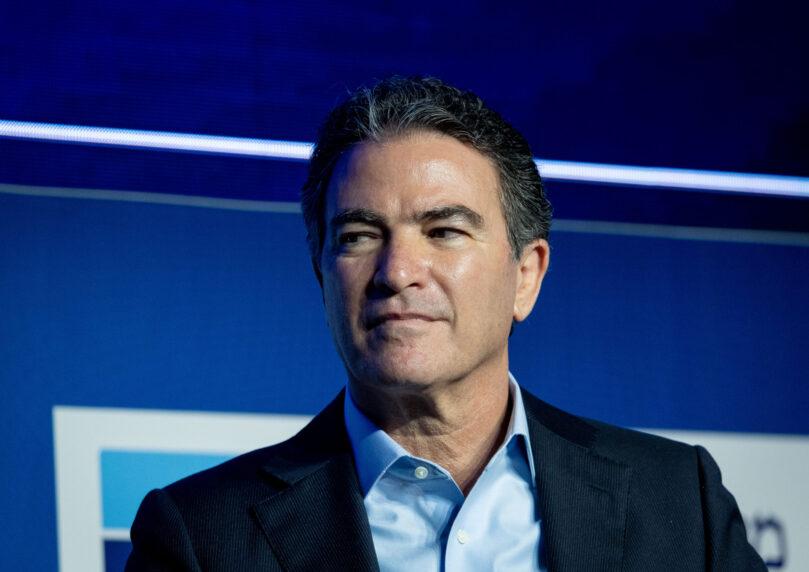
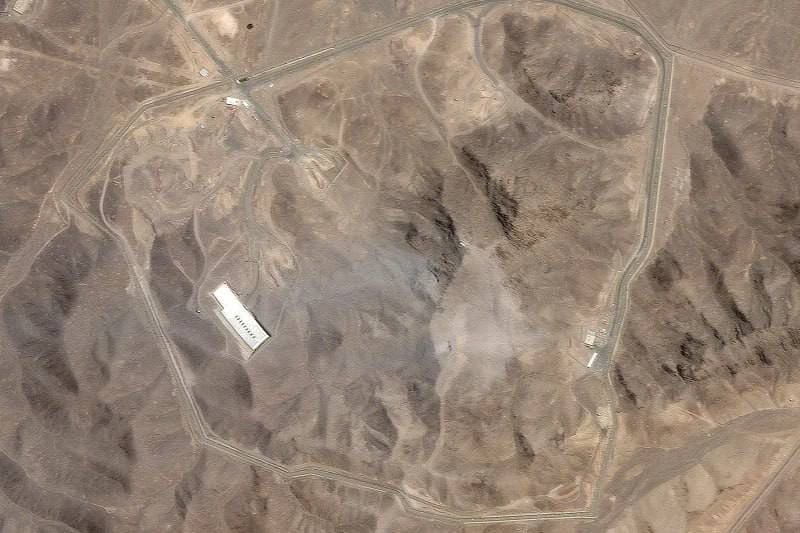
Former Mossad Director Yossi Cohen addressed the campaign against the Iranian nuclear program at the 12th Galilee Conference today (Tuesday), focusing specifically on the underground nuclear facility at Fordow. Cohen described the American strike on the site as an extraordinary personal and professional milestone following years of covert tracking, intelligence gathering, and operational preparation surrounding Tehran’s nuclear program. “We strolled through the Fordow nuclear site many times to understand the facility,” Cohen remarked, referring to extensive efforts undertaken over the years to study the Iranian complex and its strategic significance within Tehran’s nuclear initiative. According to him, the American strike on the site represented the culmination of a multi-year aspiration: “The bombing of the site by the Americans was the fulfillment of all my dreams.”
Cohen made his comments during the 12th Galilee Conference, held today at the Municipal Cultural Hall in Safed under the banner “Restoring Security to the North.” The conference brought together decision-makers, regional council heads, security professionals, and community representatives to discuss security challenges, strengthen regional resilience, and outline steps necessary for the renewal and growth of northern communities.
Cohen’s focus on Fordow carries distinct resonance given his tenure at the helm of the Mossad and Israel’s long-standing covert campaign to thwart Iran’s nuclear ambitions. During his leadership, Cohen guided the intelligence agency through a period in which Israel deployed diverse operational means to delay Iranian nuclear progress.
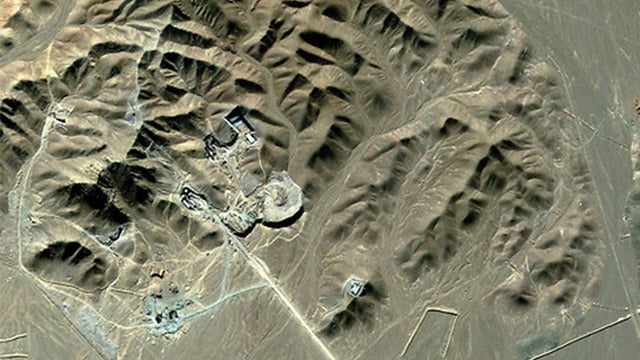
Following the U.S. military strikes on Iranian nuclear infrastructure in June 2025, Cohen noted that the operation targeted three facilities with which Israeli intelligence was intimately familiar, emphasizing that years of Israeli actions had significantly delayed the program. At the time, he assessed that the American strike successfully halted the Iranian nuclear project “at least for now.” Fordow was long considered one of the most vital and sensitive installations in Iran’s nuclear program, largely due to its deeply buried location and heavily fortified infrastructure. Developing the capability to neutralize the facility represented a primary strategic objective for Israel and its allies for over a decade.
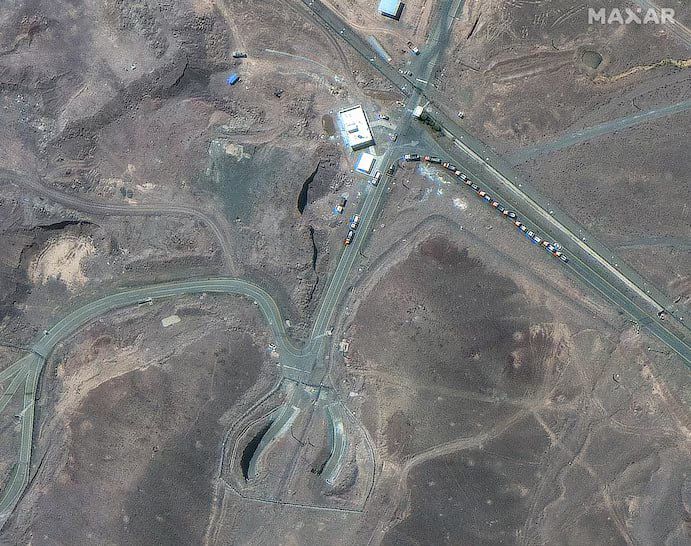
Cohen’s remarks underscore the depth of the multi-year effort to prevent Iran from acquiring military nuclear capabilities. For Israel, Iran’s nuclear ambitions have consistently been viewed as a primary strategic threat, prompting a comprehensive response combining intelligence operations, covert action, diplomacy, and international pressure.A major milestone in the intelligence campaign was the extraction of Iran’s secret nuclear archive, which provided Israel with vast technical data on various aspects of the program and deepened insight into Tehran’s nuclear apparatus. Cohen has previously highlighted the critical role that intelligence collected over decades played in deciphering the scope of Iran’s plans. The conflict eventually expanded into direct military action. In June 2025, the United States struck key Iranian nuclear installations, including Fordow, during Operation “Midnight Hammer”—a move welcomed in Israel as a pivotal blow to Tehran’s nuclear infrastructure. Following that strike, Cohen noted that the synthesis of Israeli intelligence, operational groundwork, and American firepower created a reality in which the program could be effectively brought to a standstill.
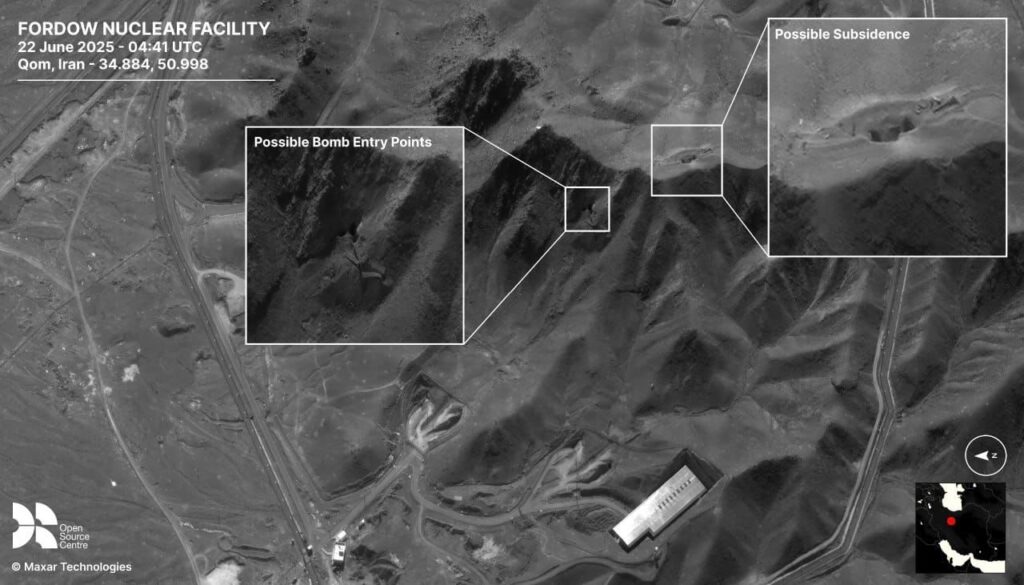
Nevertheless, Cohen has previously cautioned that the battle does not end with a single military strike, as Iran retains underlying technological knowledge and institutional expertise built over decades. He stressed that even following direct hits on primary nuclear sites, continuous monitoring remains essential to track secondary infrastructure and alternative facilities that Tehran might leverage to resume its project.