



Turmus Ayya sits 20 kilometers north of Ramallah, south of the central Israeli city of Ariel. In 1967, when Israel took back control of the “West Bank” (as it was called by Jordanian occupation forces) from Jordan, the town held about 1,500 residents. Normal population growth over the following decades would put that number at roughly 1,800 today. Instead, Turmus Ayya has grown to nearly 8,000 residents. According to a new investigation obtained by C14, by the think tank Regavim, up to 90 percent of its permanent residents hold American citizenship.
The report traces the growth of American citizenship in this small town to four familiar legal pathways: naturalization, birthright citizenship, citizenship transmission under federal law, and chain migration sponsorship. What makes Turmus Ayya unusual is the scale, sustained over four decades, and concentration in a single town.
The findings land at a moment when American immigration law is already under intense scrutiny. In June, the US Supreme Court struck down President Trump’s first executive order limiting birthright citizenship. This month, he signed a narrower version aimed at specific loopholes the ruling left open. The legal boundaries of American citizenship, and how far that status extends across generations and borders, remain an open and active fight.
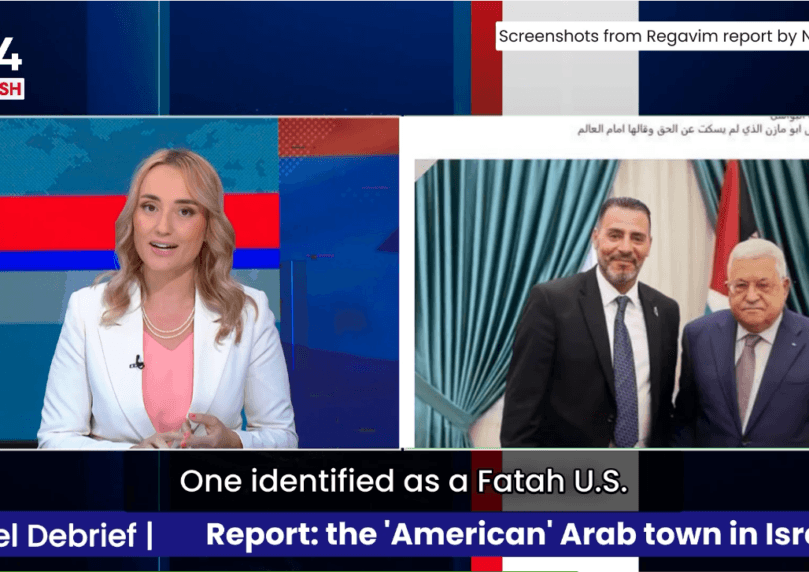
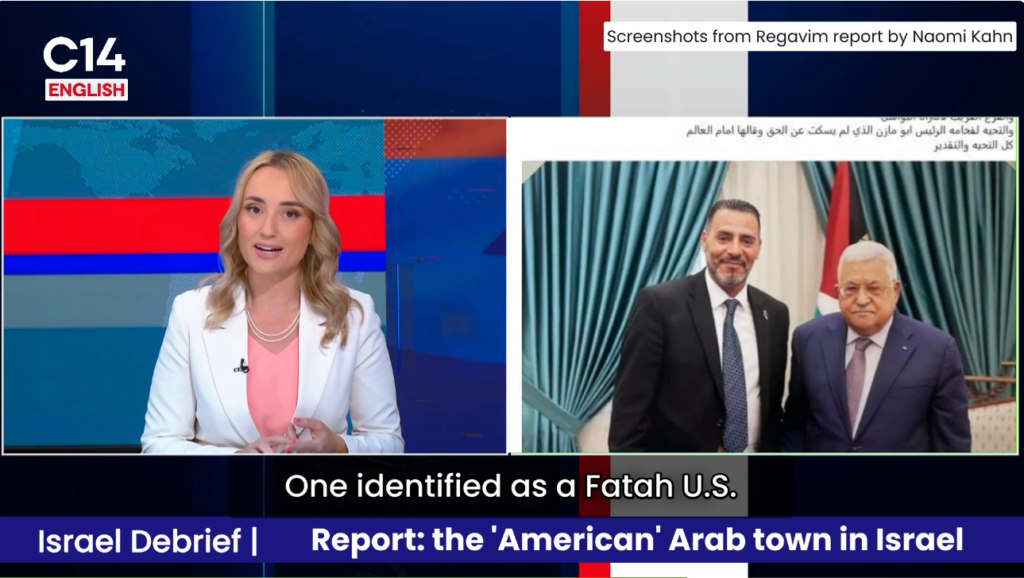
Regavim’s report goes further than demographics. It names two US-based activists with direct ties to Turmus Ayya. One is identified as a Fatah official for the US region, photographed alongside Mahmoud Abbas and senior PLO leadership. The other has been flagged for public praise of Hamas and Hezbollah terrorist figures on social media.
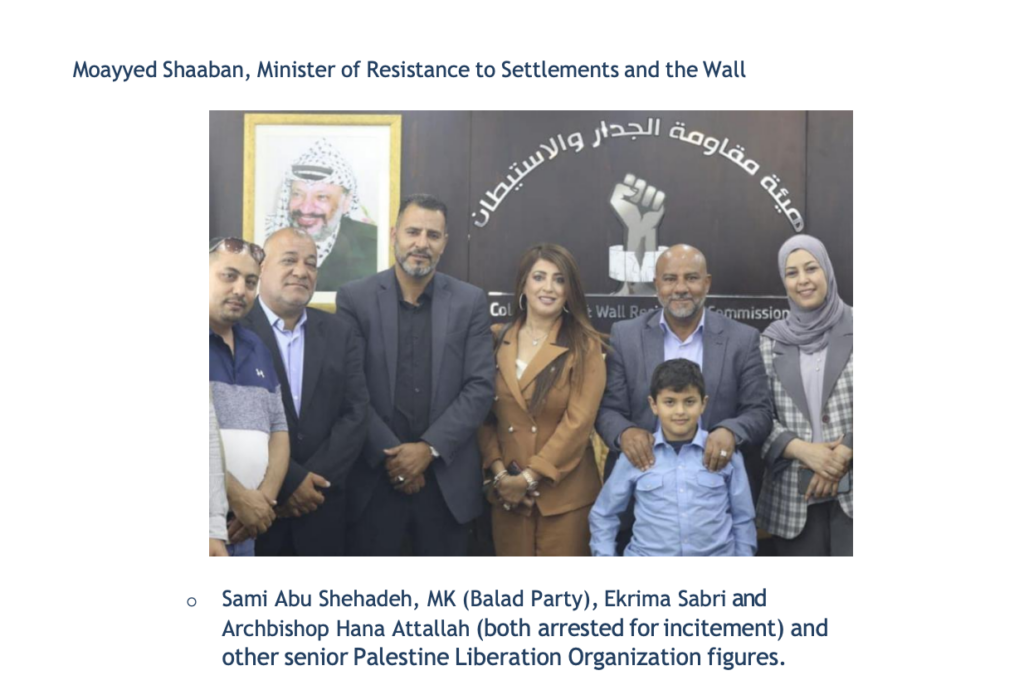

According to the report, the activity of these two individuals, combined with the town’s disproportionate American citizenship rate, has already influenced US policy. Regavim ties their involvement to four separate Senate letters and a pending bill that has gathered more than 100 congressional co-sponsors.
The timing adds further weight. U.S. Secretary of State Marco Rubio has been leading a broader push against foreign Islamist infiltration inside the United States. Days before the Regavim report surfaced, U.S. Senator Ted Cruz chaired an Aug. 5 Senate hearing titled “Hidden in Plain Sight,” where witnesses described Muslim Brotherhood-linked networks operating domestically and called for closer scrutiny of organizations with alleged ties to jihadist movements.
Regavim is now calling for three specific actions: a U.S. investigation into the immigration status of the two named individuals, a denial of their entry into Israel, and a review of their activities under the Foreign Agents Registration Act. The report raises a question that has so far gone unexamined in Washington. A demographic anomaly in a single Arab town in Judea and Samaria has helped generate real legislative momentum in the US Senate.
Sourcing note:
The Regavim report was authored by Naomi Linder Kahn, of the Regavim International Division with research by Moran Tal, Arabic OSINT Division. Additional materials provided by Elchanan Groner and Guy Goldstein.