


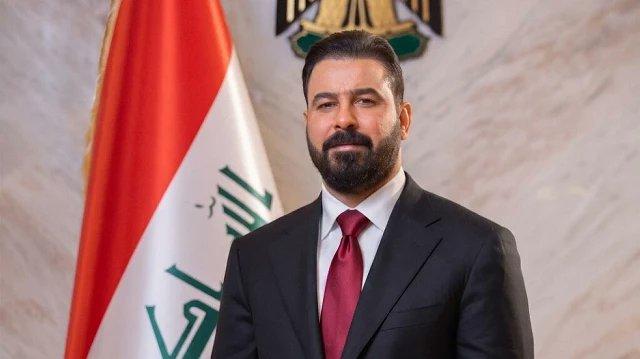

The Middle East has been in a state of regional war for nearly six months, and talk of defense alliances between countries has taken up considerable space in local politics. Despite this, Iraq is trying to maintain a moderate line and says it won’t join any alliance. Is this a smart move or one that signals weakness? Iraq’s new Prime Minister Ali al-Zaidi continues trying to change Iraq’s fate and set it on a new path. Part of his plan is to show he poses no threat to either side of the warring camps in the Middle East, and he declared that “Iraq will not be part of any alliance.”


 1+
1+This statement comes after Saudi Arabia, Pakistan, and Turkey—three Sunni Muslim countries—signed a new security agreement. The three countries added that Egypt, another Sunni state, might also join the alliance, which hasn’t exactly proven itself after the Houthis attacked the Saudi kingdom. The three countries obviously didn’t say publicly that the agreement’s purpose is a response to Iran, but many commentators in Arab media confirmed that this is indeed its goal. According to Saudi media, Iraq—with its Shiite majority and for years partly an Iranian client state—isn’t expected to receive an invitation to the new alliance.
 1+
1+As mentioned, Iraq is trying to stay neutral to avoid conflicts—a move that hasn’t really worked for it so far. Despite meeting with President Trump at the White House and even traveling to Tehran to meet with senior regime officials, Iraq has been hit with attacks from both Iran and the U.S. in the past month.