


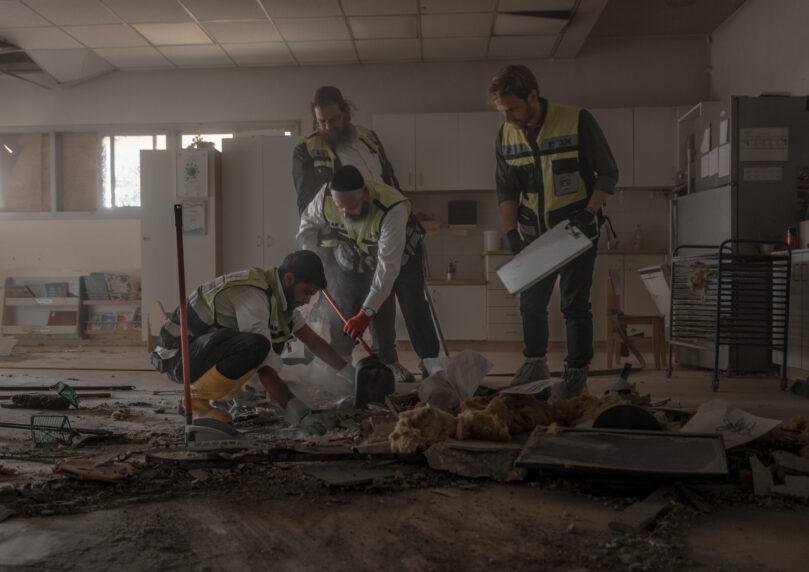
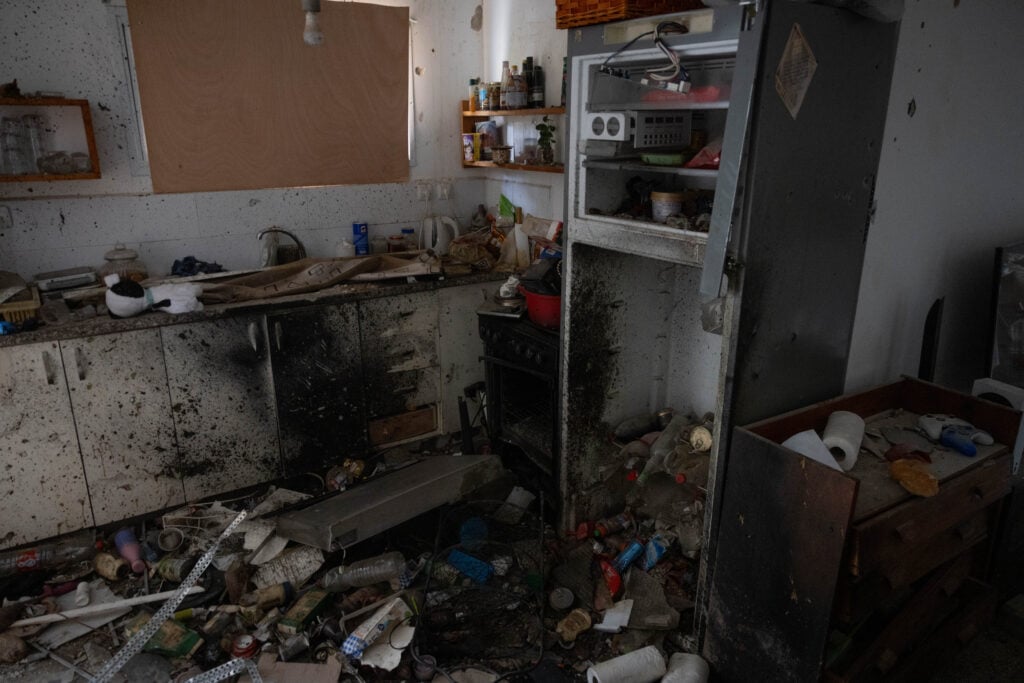
Knesset Member Ariel Kallner and Rabbi Aviad Gadot, CEO of the organization “Torat Lachima” (Combat Doctrine), announced Monday the launch of a coordinated initiative to collect, document, and preserve testimony, documents, and evidence from soldiers, commanders, and civilians related to the October 7 failure and the period leading up to it. The effort stems from a desire to build a comprehensive evidentiary foundation that will be transferred directly to the national commission of inquiry, which Kallner intends to complete legislating in the next Knesset. According to Knesset regulations, only the proposing member is authorized to bring the bill to second and third readings.

 2+
2+Knesset Member Ariel Kallner emphasized the importance of the move: “The national commission of inquiry is the only way to get to the truth and bring about real correction. This is my supreme commitment. Our goal is to advance the collection of critical material, which will be handed over to the commission when it is established.”
Rabbi Aviad Gadot, CEO of “Torat Lachima,” appealed to the broader public: “We are calling on soldiers, commanders, and civilians who have information and testimony related to the events of October 7 and the period preceding them. It’s important that the materials be collected and preserved in an orderly manner, so they can be brought before the commission of inquiry.” The two announced that in the coming days, an organized technological platform will be activated to allow the public to submit testimony securely.
 2+
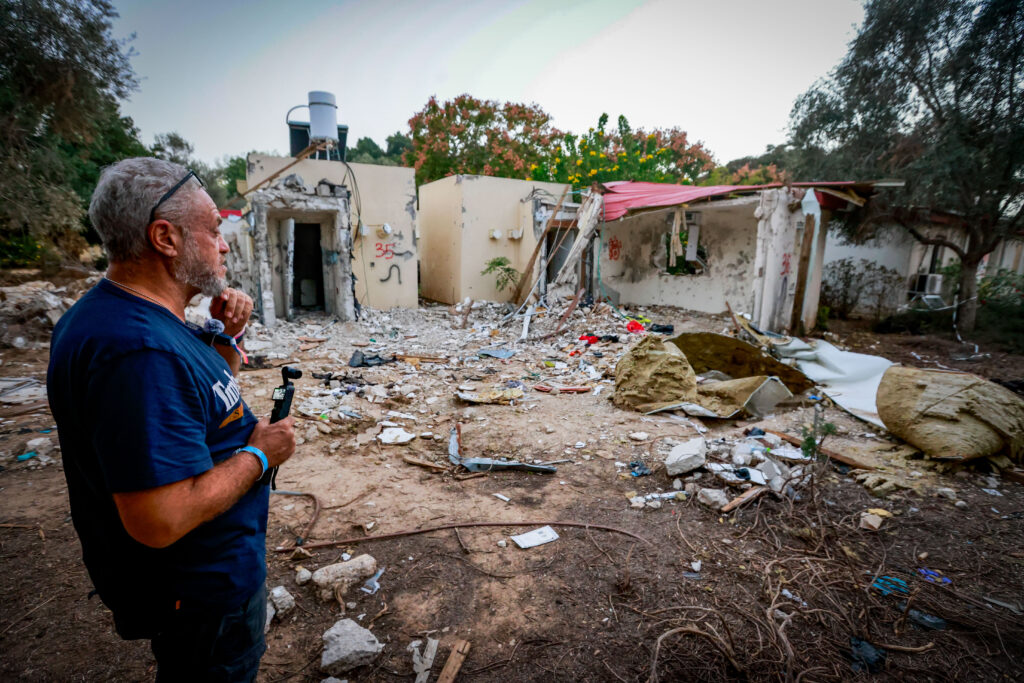
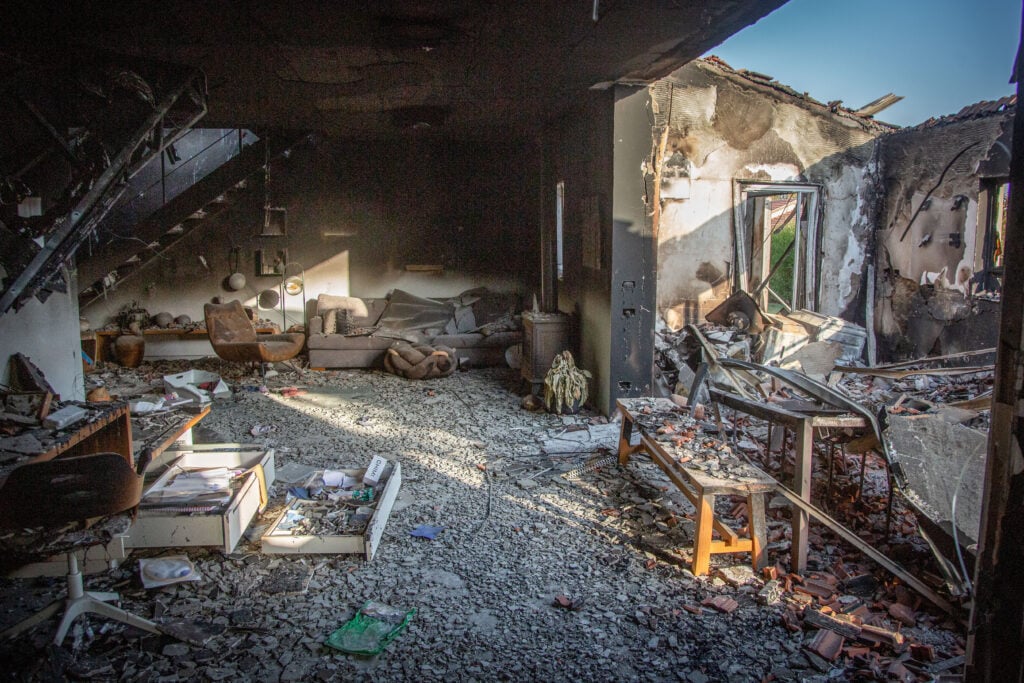
2+The joint initiative comes following the dramatic decision by the government and Knesset, which approved in first reading—just before going into election recess—the bill to establish a national commission of inquiry to investigate the October 7 massacre.
Approval of the bill came in response to widespread public demand to investigate the disaster, but placed at the center of public and legal discourse the debate over the identity of the body that will lead the investigation. Today there are two main models, and the difference between them is fundamental and significant: The government is promoting an egalitarian and balanced model, in which the composition of the commission is determined by broad consensus among all parts of the nation—the coalition and the opposition—and includes experts in security, law, academia, and observers from among the bereaved families.
 2+
2+The great advantage of a national commission of inquiry lies in the broad public trust it generates. In Israeli reality, large segments of the population do not trust the judicial system and the old appointment mechanism of the Supreme Court. A state commission of inquiry could appear in the eyes of a large public as a body with political biases.
In contrast, a national commission of inquiry is built exactly like the successful model of the 9/11 Commission that was established in the United States after the Twin Towers attack. It ensures that no political side has an advantage, allows fair representation for all voices in Israeli society, and gives the conclusions full national legitimacy that is not called into question.