


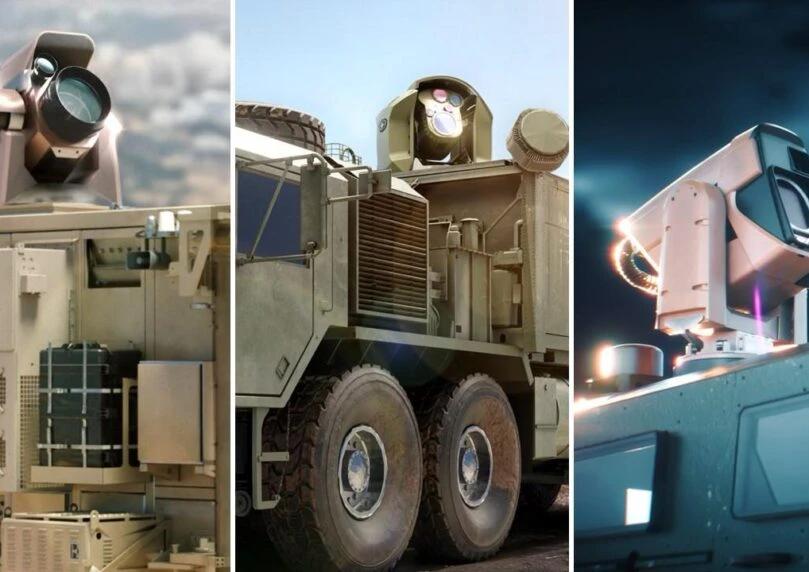

Italy has ordered one of Europe’s most strategic airports to stop using an Israeli-made defense system, with the country’s Council of State directing Rome airport operator Aeroporti di Roma to remove Rafael’s counter-drone technology from Fiumicino International Airport.
According to Italian media reports Thursday, the lucrative contract to protect Rome’s main international airport will instead be transferred to a domestic Italian company.
The decision comes at a sensitive moment in relations between Italy and Israel, which have faced growing strains in recent months over developments in the Middle East. The ruling itself, however, centered on regulatory and procurement issues surrounding the Israeli system rather than diplomatic considerations.
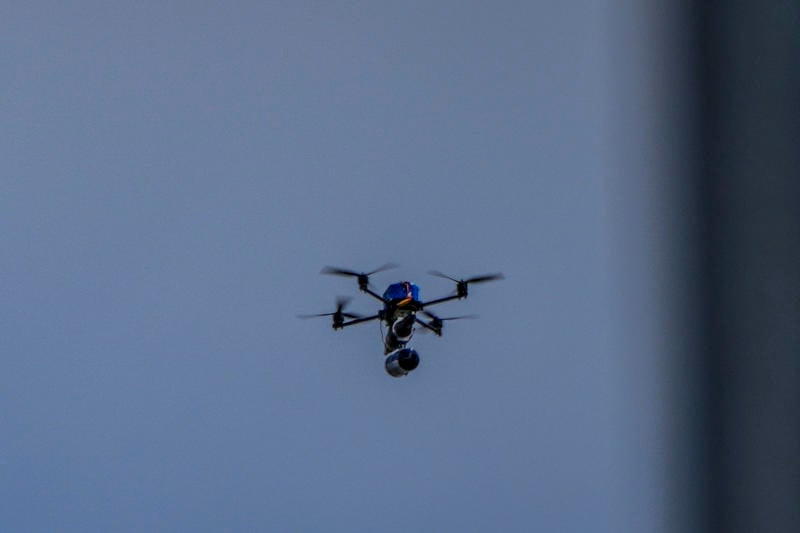
The court’s decision followed an assessment by technical experts from Italy’s Defense Ministry, who determined that the Israeli system—developed through cooperation between Rafael Advanced Defense Systems and Altintech—qualified as military equipment.
According to the ruling, the system had been brought into operation without the authorizations required in Italy for the import and use of military equipment of its kind. That determination led to the disqualification of the contract and its transfer to an Italian company.
Rome airport authorities have now been given just 60 days to complete the replacement of the Israeli defense system with a locally supplied alternative.
At the same time, the court ordered that investigative materials be transferred to the Rome public prosecutor to determine whether a criminal investigation should be opened into the tender and procurement process surrounding the Rafael system. The airport operator, meanwhile, has said it will act to ensure that security remains protected throughout the transition.


The removal therefore represents more than the loss of a high-profile contract for an Israeli defense company: Rafael technology currently protecting one of Europe’s busiest and most strategically important airports is being taken out of service and replaced by an Italian system.
While the court cited licensing and procurement requirements—not Israel’s nationality—as the basis for its decision, the timing comes amid recent strains in relations between Rome and Jerusalem, including Italy’s suspension of a longstanding defense-cooperation agreement with Israel earlier this year.