


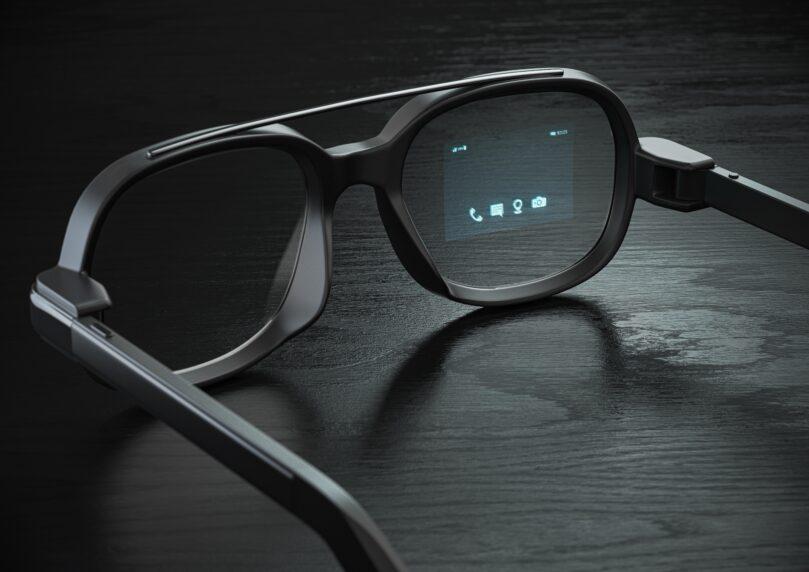

Is augmented reality the future of neurological rehabilitation? Israel’s Clalit Health Services is testing innovative technology that combines artificial intelligence, electrical stimulation, and real-time muscle activity monitoring to potentially improve rehabilitation for stroke and brain injury patients down the road. The technology is in clinical evaluation, examining its possible contribution to rehabilitation processes.
Rehabilitation after a stroke or brain injury is a lengthy process, sometimes requiring months of intensive practice to restore movement and function. Now Clalit’s Haifa and Western Galilee District, in partnership with Motion Informatics, is testing an innovative system based on augmented reality designed to give therapists more accurate information about rehabilitation progress and enable personalized treatment in the future. The system is currently in evaluation and development stages as part of efforts to advance technological solutions for community-based neurological rehabilitation.


 1+
1+How Does this Technology Work?
The system combines several technologies simultaneously: augmented reality glasses, functional electrical stimulation (FES), muscle activity monitoring via surface electromyography (sEMG), and real-time data analysis. During practice, data is collected on movement quality, range of motion, and muscle activation patterns. The data is transmitted to the treatment team and enables objective tracking of patient performance throughout the rehabilitation process. Clalit explains that in the future, if the technology proves itself, it may help personalize rehabilitation programs and better understand the neurological recovery process.
Not Yet Proven Treatment
Despite the potential, Clalit emphasizes this is technology in clinical evaluation, and the partnership aims to examine its possible contribution to patient rehabilitation.
Dr. Michael Hauser, director of innovation at Clalit’s Haifa and Western Galilee District, said “medical innovation is measured by its ability to address the clinical needs of patients and therapists. The partnership allows us to examine how advanced digital tools can be integrated into community rehabilitation processes.” Tali Rapaport, director of occupational therapy services at Clalit, also emphasized that at this stage they’re examining the system’s clinical potential and its possible contribution to rehabilitation processes.
 1+
1+The Future of Neurological Rehabilitation?
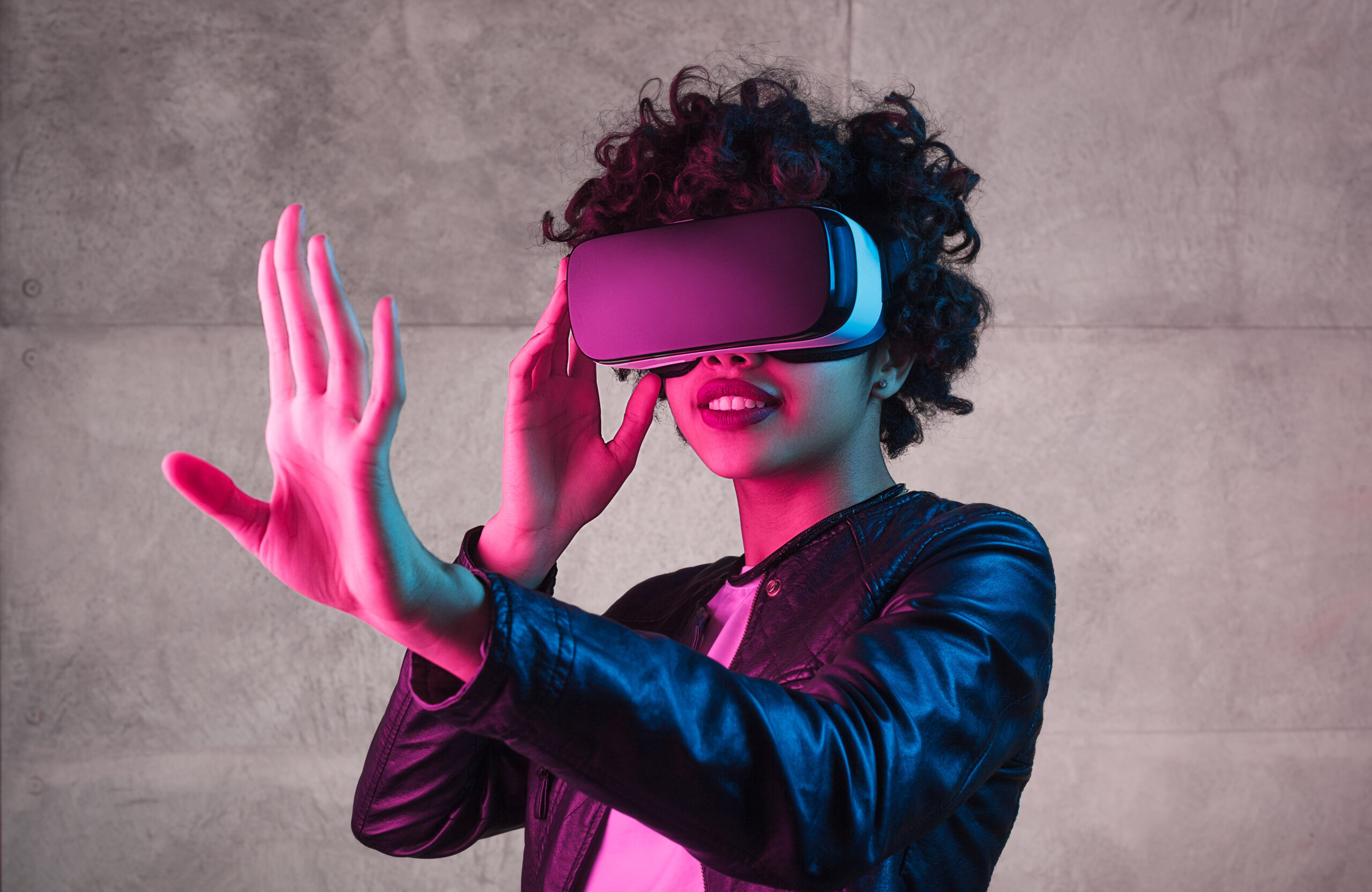
In recent years, technologies like augmented reality, artificial intelligence, and biofeedback have become an integral part of rehabilitation research worldwide. Their goal isn’t to replace the therapist, but to provide more accurate information about patient performance, enable better customization of treatment plans, and objectively measure progress over time.
If evaluation results are positive, technologies of this type may be integrated more broadly in the future into rehabilitation systems for patients after stroke, brain injuries, and other neurological conditions.