


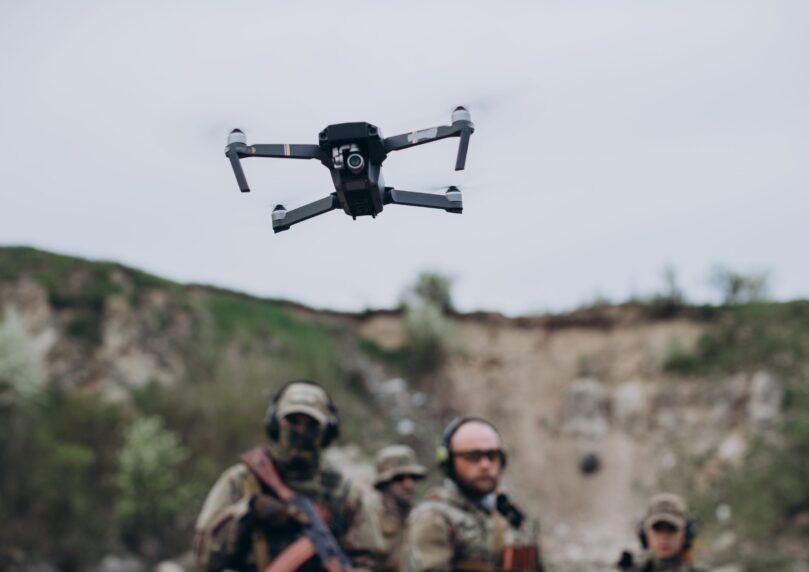

After more than four years of war in Ukraine, Zvi Magen, former Israeli ambassador to Ukraine and Russia and a veteran of Israel’s intelligence community, is convinced the central lesson Israel must draw isn’t just tactical or strategic—it’s about the revolution that has transformed the battlefield itself.

 3+
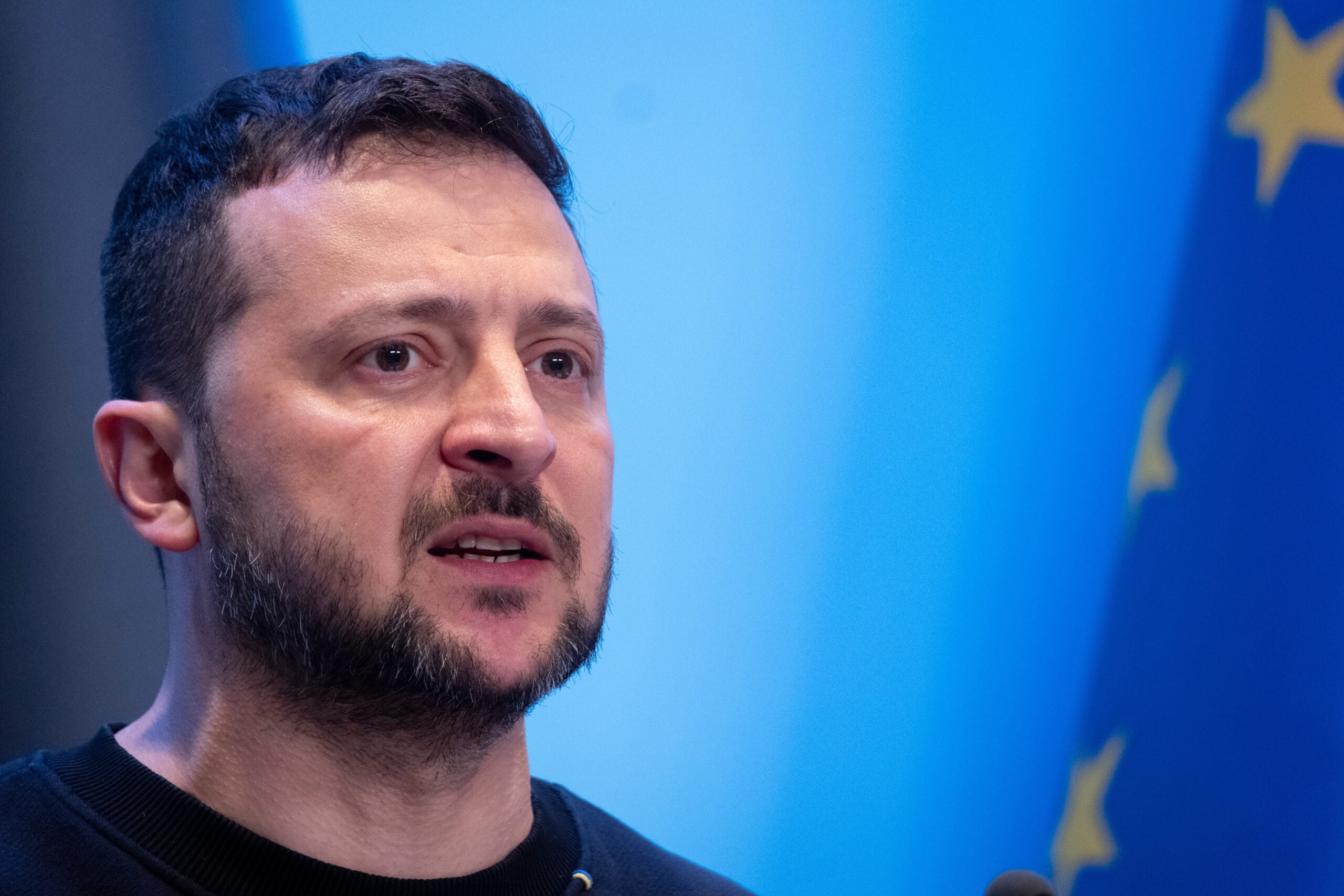
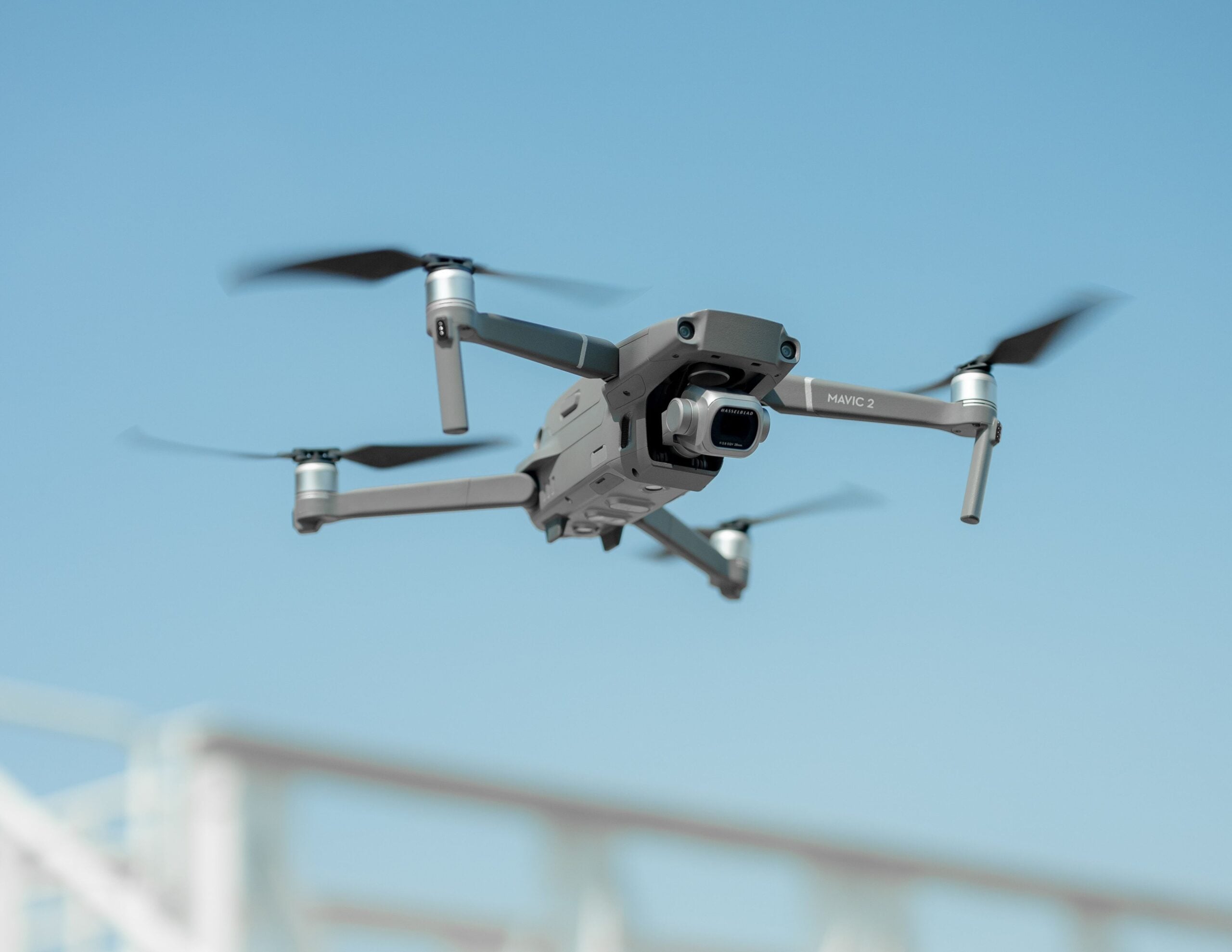
3+“I call it ‘the drone war,'” Magen told C14, explaining that unmanned aerial vehicles have changed the rules of the game and become one of the decisive factors in modern warfare.
Magen first wanted to put the conflict in proper proportion: “This is a war of Europe against Russia,” he clarified, not a fight where Ukraine stands alone. European countries have backed Kyiv from the start of the fighting, arming, training, and supplying it with advanced combat systems. Ukraine’s achievements must therefore be examined against the backdrop of broad Western support.
 3+
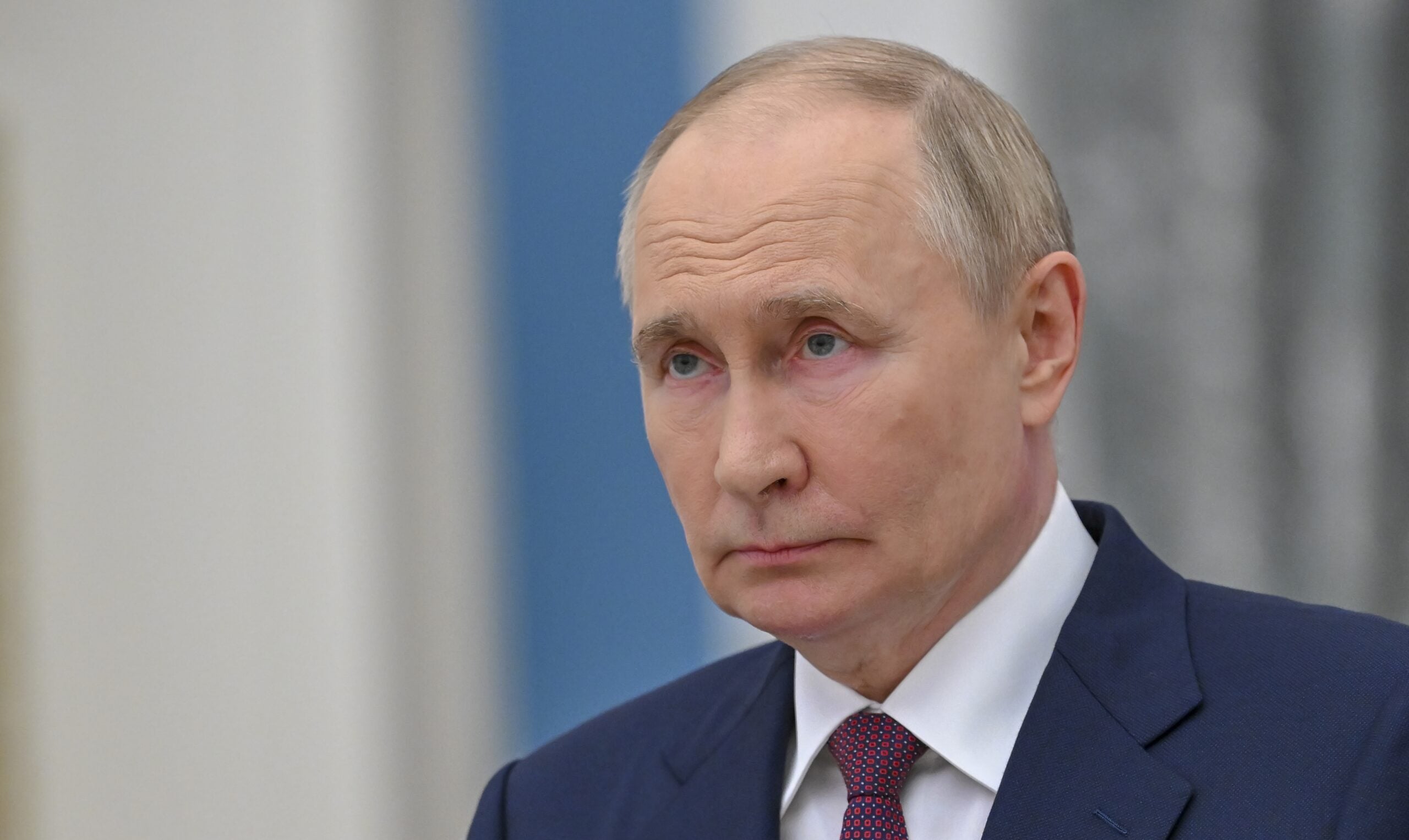
3+According to him, the ability to strike a power like Russia using drones is among Ukraine’s most notable achievements. “We’re talking about a combat tool that took away the Russians’ ability to maneuver,” he noted. Instead of armored columns advancing rapidly into enemy territory, drones have forced them to slow down, hide, and stay pinned to their positions. At the same time, UAVs serve both sides for precision deep strikes against energy infrastructure, strategic targets, and defense industries.
Magen described how even after years of fighting, there’s currently no effective solution to the threat. The Ukrainians have developed various defense methods, including using nets and protective measures mounted on vehicles and combat platforms, but he stressed that “there’s nothing effective against this.”
 3+
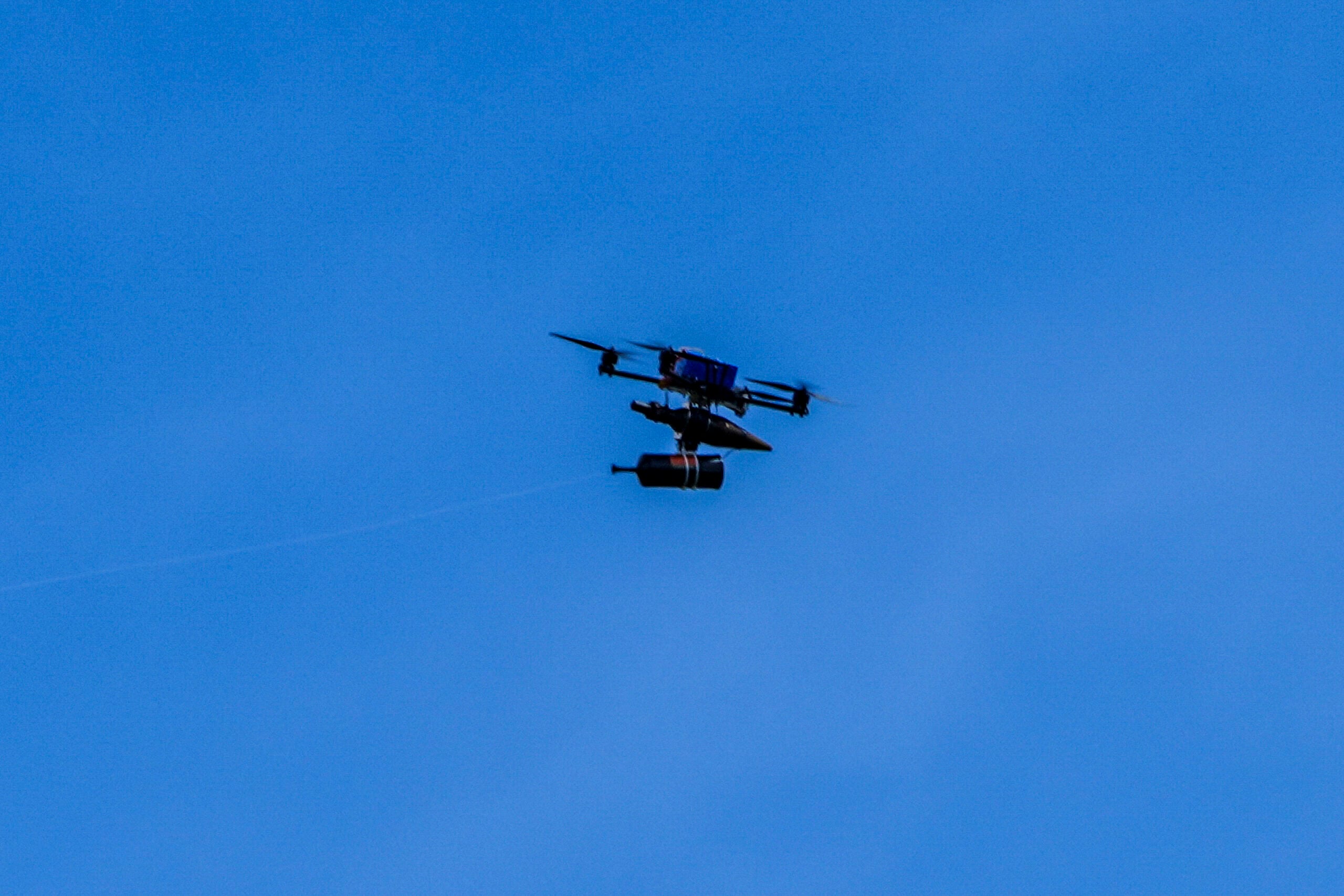
3+In his view, the advantage now lies with whoever can deploy drones in large quantities. “Whoever uses them… and sometimes in masses, in all kinds of ‘swarms,’ succeeds,” he said. This, he believes, is exactly why drones have become a tool capable of shifting the balance of power even against much larger and stronger armies.
Magen argued this is also the direction future wars are heading, explaining that the main casualty is the ability to conduct large-scale ground maneuvers using armored forces—a concept armies have relied on for decades: “It’s precisely the drones that know how to stop that.”
 3+
3+Despite the troubling picture, Magen believes the situation won’t remain this way forever: “Right now I can’t recommend something that neutralizes drones. No one can,” but he also predicted that Israel will be a pioneer in the field—”I have a suspicion that Israelis too will develop the solution before others, and then they’ll have to switch to other or previous methods.”