


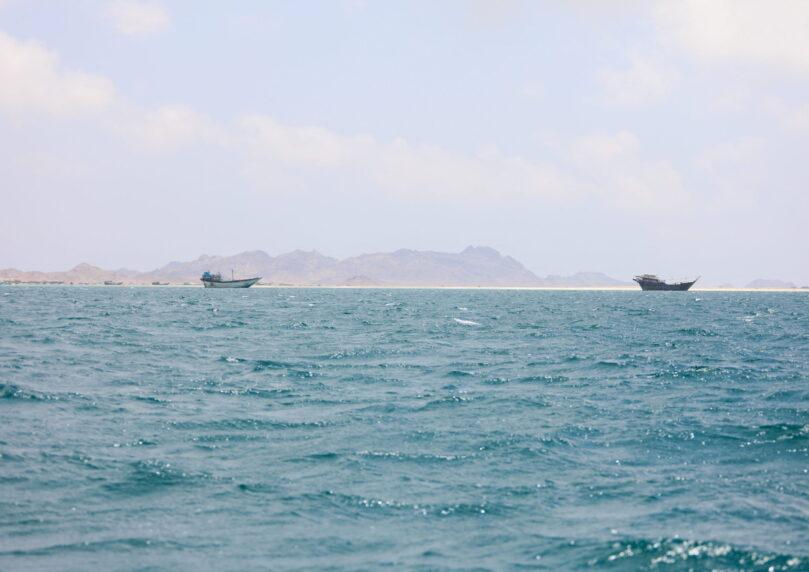

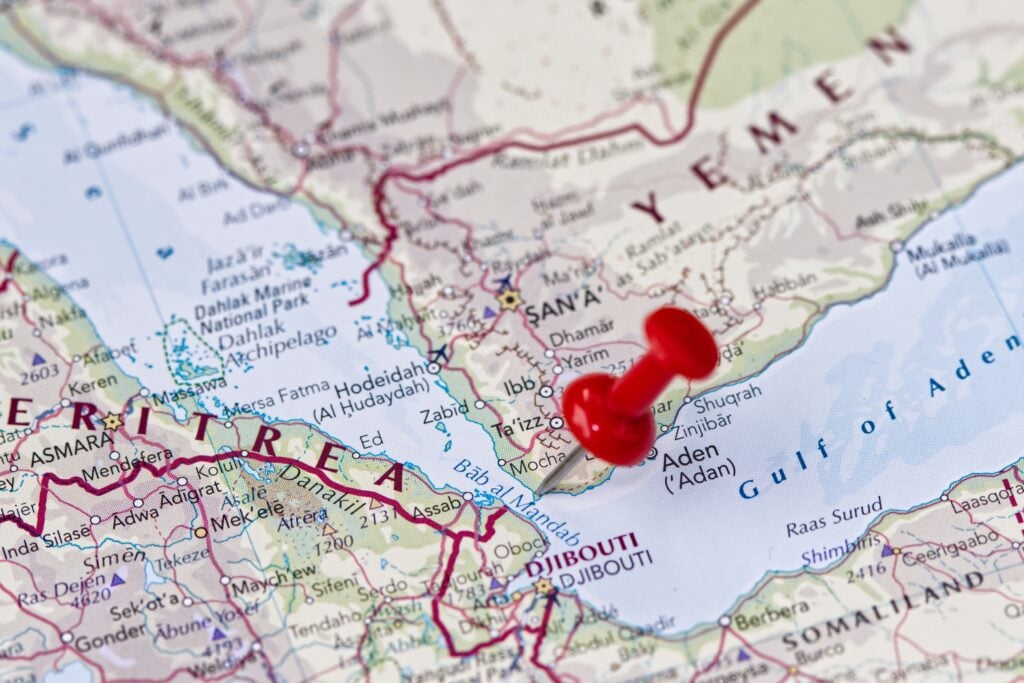
Saudi Arabia is working with Eritrea to reactivate a strategic naval and air base on Eritrea’s Red Sea coast after the Iran-backed Houthi terror organization declared a “naval embargo” against the kingdom and threatened to close the Bab al-Mandab Strait—one of the world’s most vital maritime chokepoints.
The planned move would establish a new Saudi military foothold near the port of Assab, overlooking the southern entrance to the Red Sea and one of the busiest commercial shipping lanes in the world.

 1+
1+The base was originally established by the United Arab Emirates in 2015 to support coalition operations against the Houthis during the Yemen war. Eritrea’s position at the entrance to the Bab al-Mandab gives it a vital strategic interest in ensuring the waterway remains open to international shipping.
Located just a few kilometers northwest of the strait—known in Arabic as Bab al-Mandab, or the “Gate of Tears”—the base would provide Saudi Arabia with a forward operating position overlooking one of the region’s most strategically important waterways.
The initiative remains in its early stages, with diplomatic efforts reportedly underway to advance the project and formalize cooperation between Riyadh and Asmara.
 1+
1+A permanent Saudi presence at the Eritrean base would allow the kingdom to protect its own shipping routes without relying solely on international coalitions while dramatically reducing its military response time to any Houthi attack on commercial or military vessels.
Just as importantly, the move would force the Houthis to contend with a new strategic reality. Instead of facing pressure only along Saudi Arabia’s southern border, the Iran-backed group could also find itself exposed from the western flank across the Red Sea—complicating its operations and stretching its defenses at a time of escalating regional tensions.