


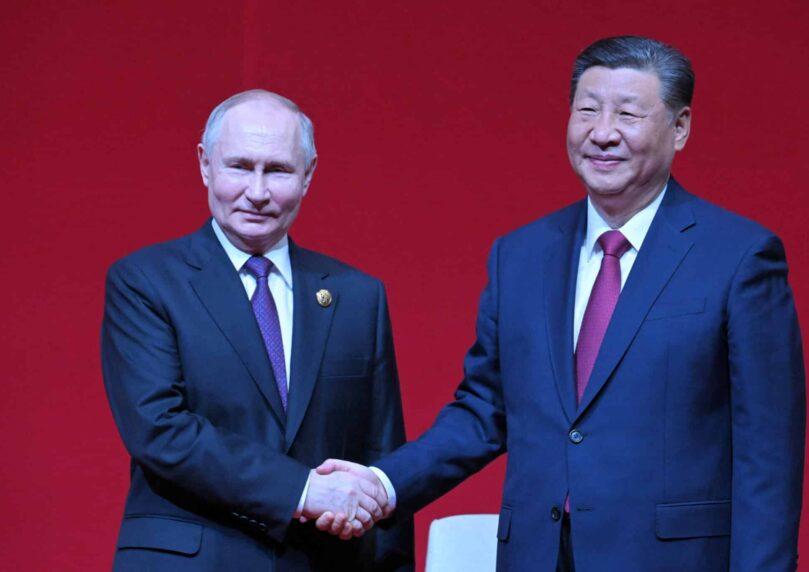

The relationship between Beijing and Moscow used to look completely different. In 2013, during his first visit to Moscow, Xi Jinping even called Putin a role model. But four and a half years of war in Ukraine and Western sanctions have flipped the balance entirely, turning Russia into an economy completely dependent on China.
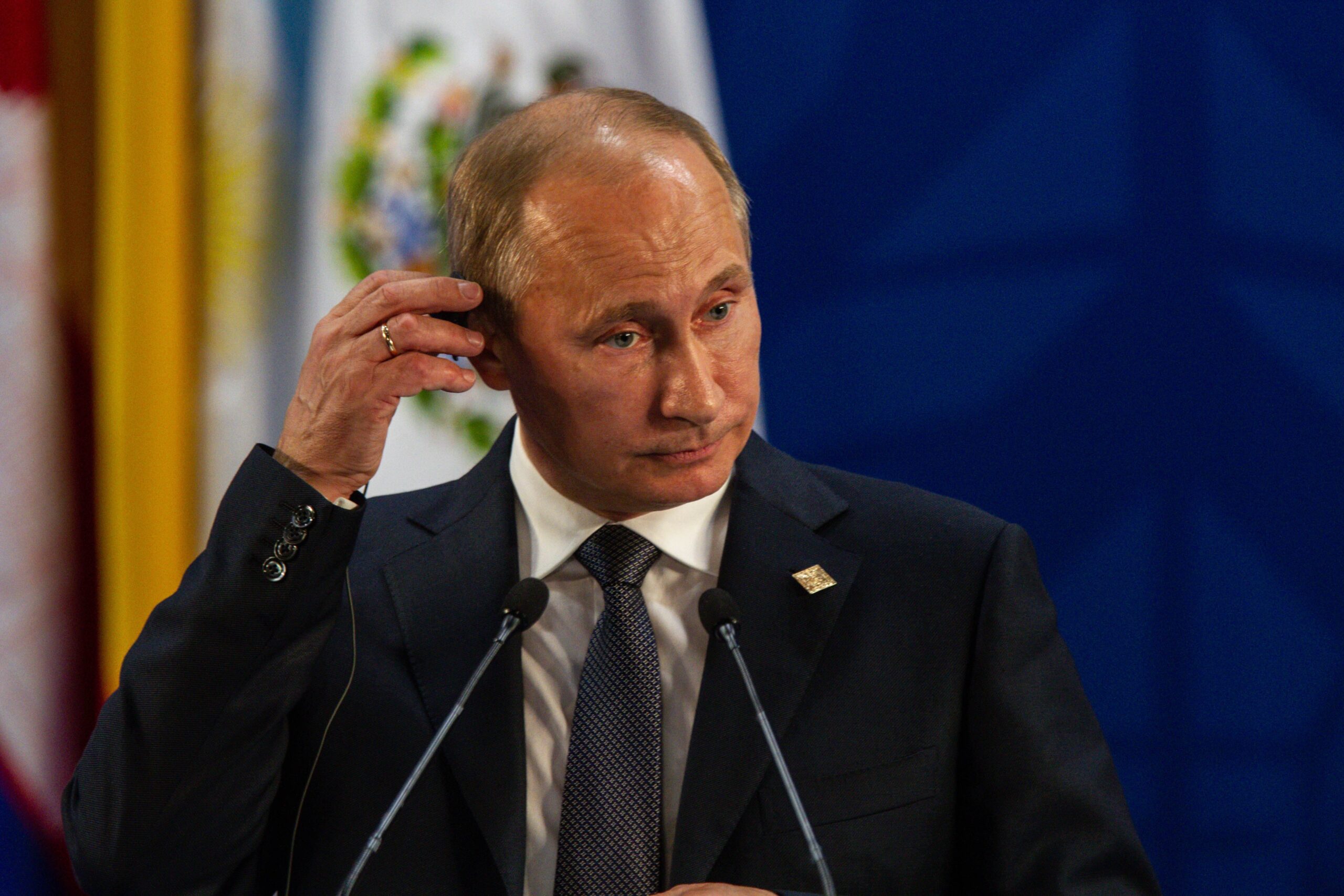

 1+
1+Today, China is the main force keeping Russia’s war economy afloat by buying oil and supplying critical industrial goods. While Russia desperately needs China, trade with Russia accounts for less than 4% of China’s total trade—a fact that makes clear who holds the keys to power.
Putin Hits a Wall: Beijing’s Power on Display
Chinese dominance came into sharp focus during Putin’s visit last May. The Kremlin tried to greenlight its flagship project—the Power of Siberia 2 gas pipeline, designed to make up for lost exports to Europe. But Xi set tough conditions, including selling gas at Russian domestic prices—a deal Moscow couldn’t accept. In the end, the project went nowhere.
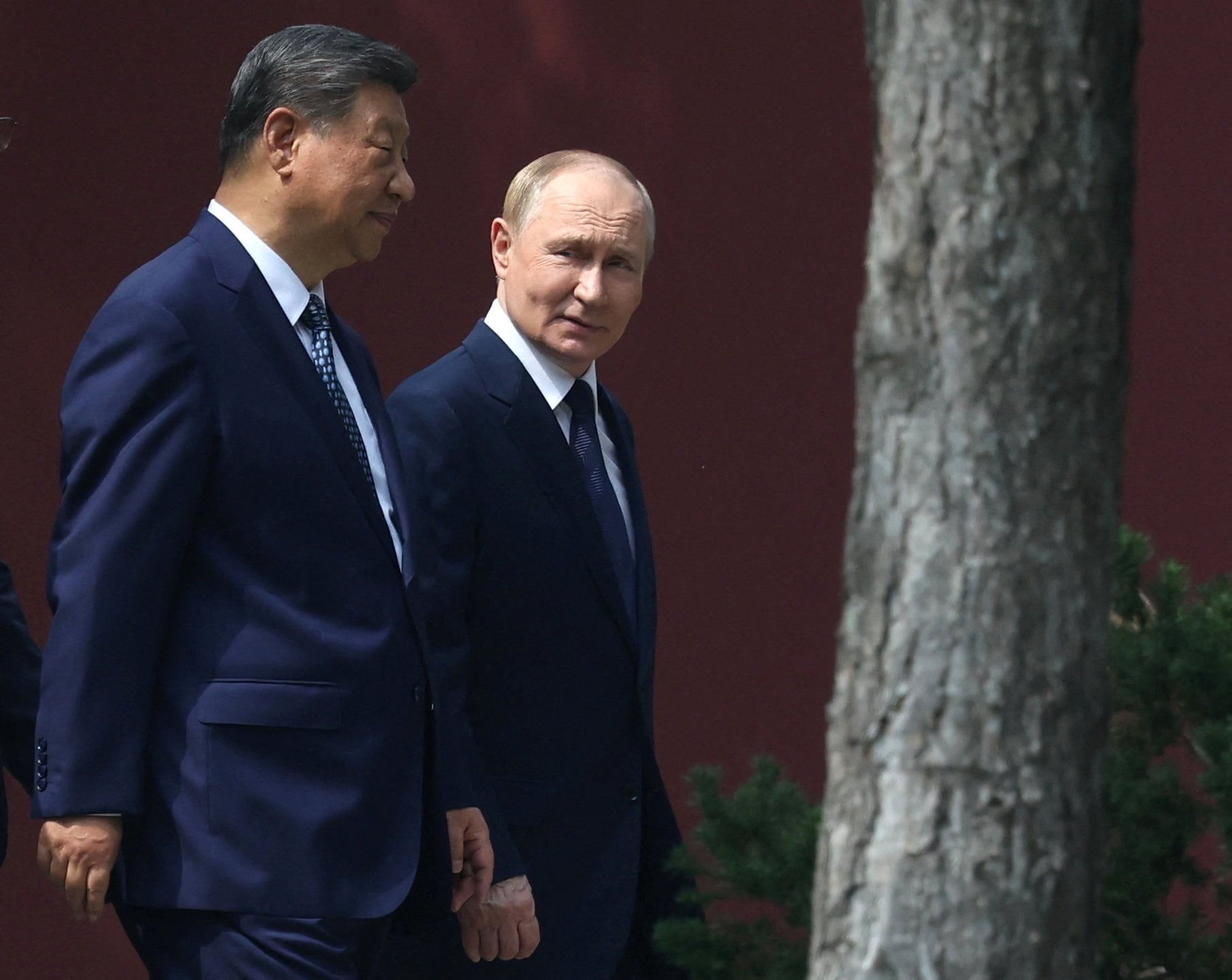 1+
1+The economic dependence is total: nearly 40% of Russian foreign trade now goes to China, and Russia pulls in about 33% of its export revenue from the Chinese market. The reality is clear—Putin needs Xi far more than Xi needs Putin.
Beijing Builds Its Future Influence
Facing this reality, Beijing isn’t sitting still. According to reports, the Chinese government is working strategically to build ties with the next generation of politicians, bureaucrats, and elites in Russia. Xi Jinping’s goal is clear: to secure Chinese interests in Moscow regardless of who sits in the Kremlin chair the day after Putin.