


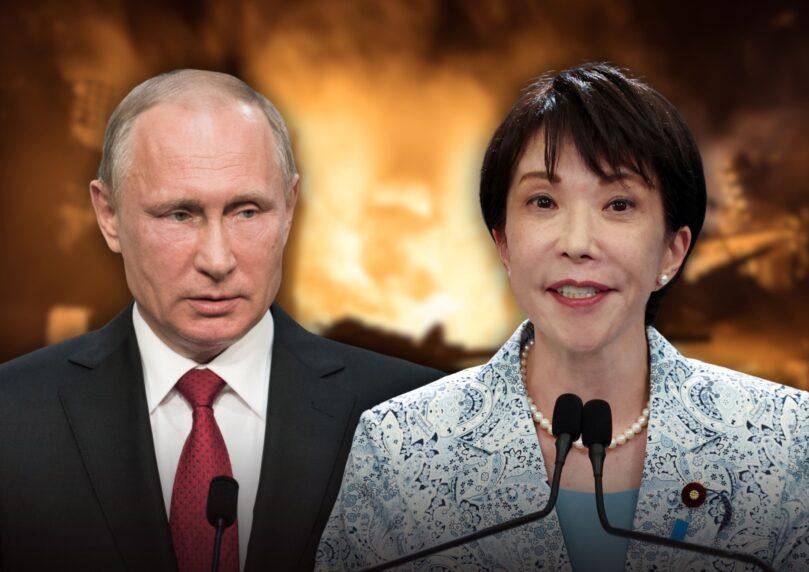

Since the invasion of Ukraine in 2022, Western nations have led a sweeping effort to cut Russia off from military technology. But intelligence officials from Western countries are now pointing to an unexpected target that has become a strategic hub for the Russian military machine: Japan.
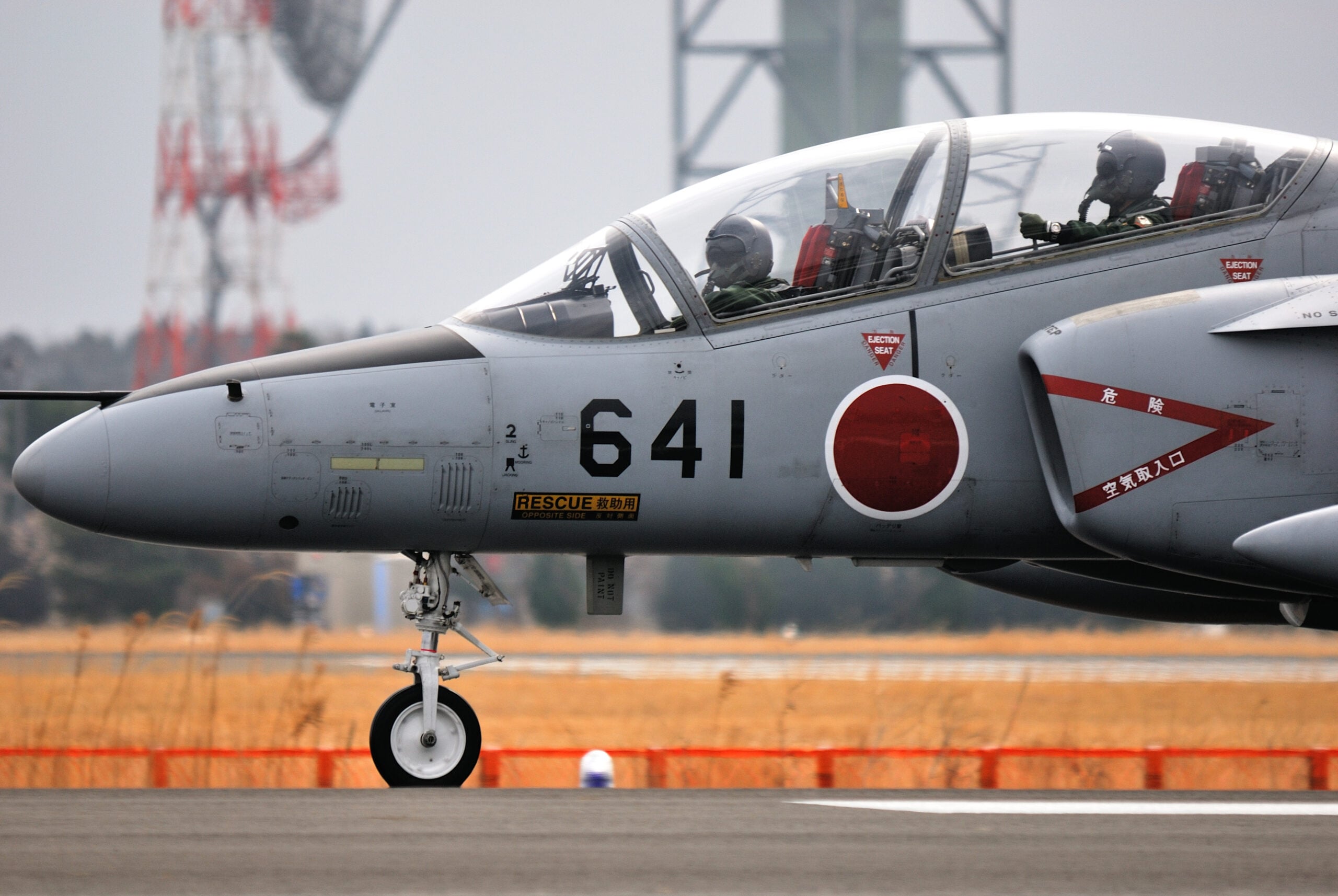

 3+
A new investigation published today in The New York Times reveals that according to Ukrainian estimates, no less than 90% of Russian missiles and drones contain components made in Japan.
At the center of operations in Tokyo stands a covert unit of Russian military intelligence known as “Directorate 20.” Spies posing as diplomats or businesspeople are working to acquire dual-use technology—technology with both military and civilian applications whose export to Russia has been banned.
 3+
The Diplomat from the Airline
The man responsible for the unit’s operations in Tokyo is Maxim Vladimirovich Pilchenkov, who uses a cover identity as an employee of the Russian airline Aeroflot. The company’s offices, located a short distance from Japanese national police headquarters, allegedly serve as command center for the smuggling operations. Pilchenkov, a veteran GRU officer, entered the role in 2024 with the goal of filling the shortage of advanced technology following the sanctions.
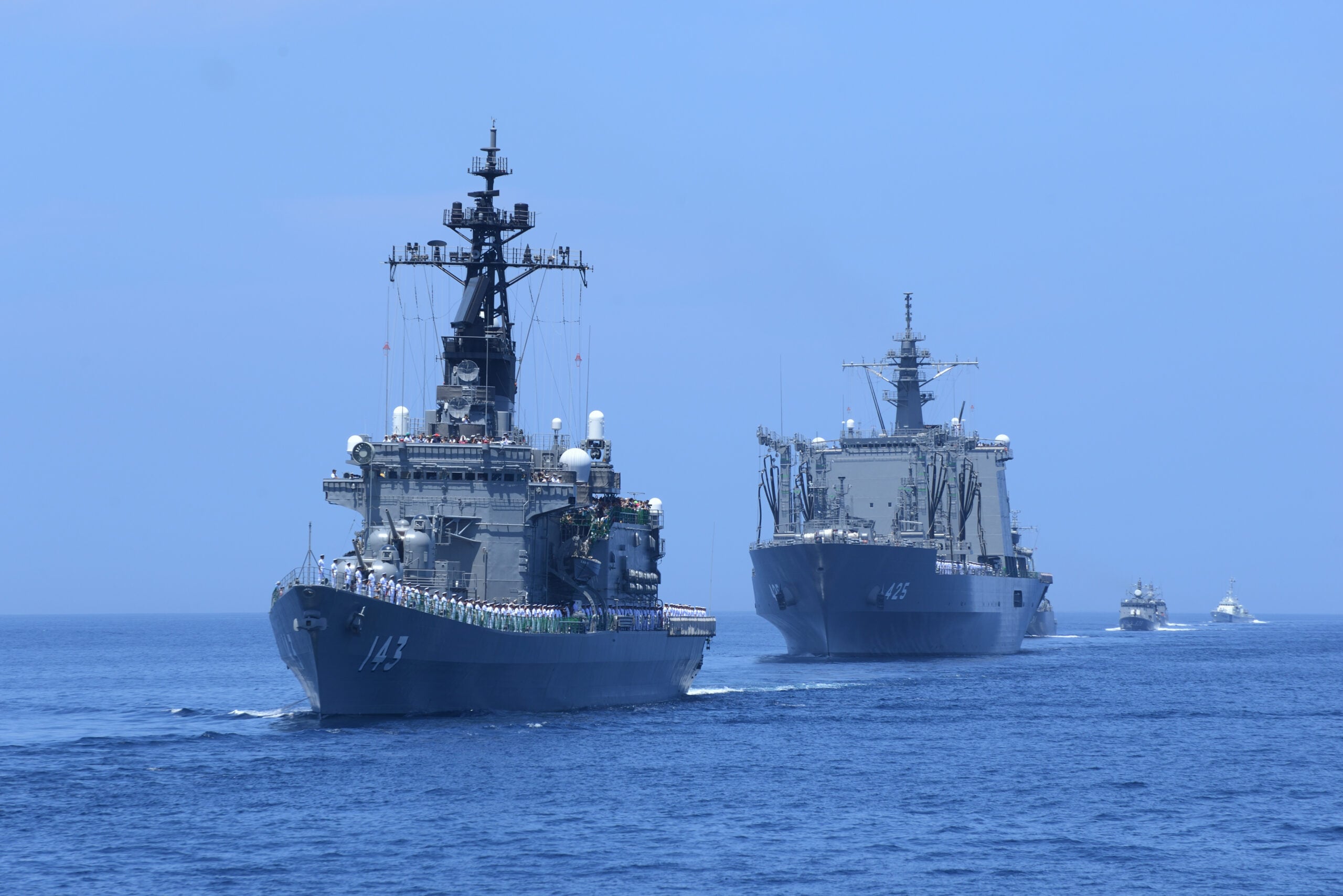
Russian agents are exploiting complex trade routes through third countries to cover their tracks. One of the main routes involves transferring goods from Japan to countries like Vietnam, and from there—to Russia.
 3+
Certain logistics companies, such as Japan’s Proco Air, have come up in investigations as potentially serving as a bridge for transferring sensitive equipment. Despite the owner’s claims that the company only ships approved products, documents obtained by investigators point to business ties with Russian companies close to the Kremlin.
Enforcement Challenges Against Strategic Threat
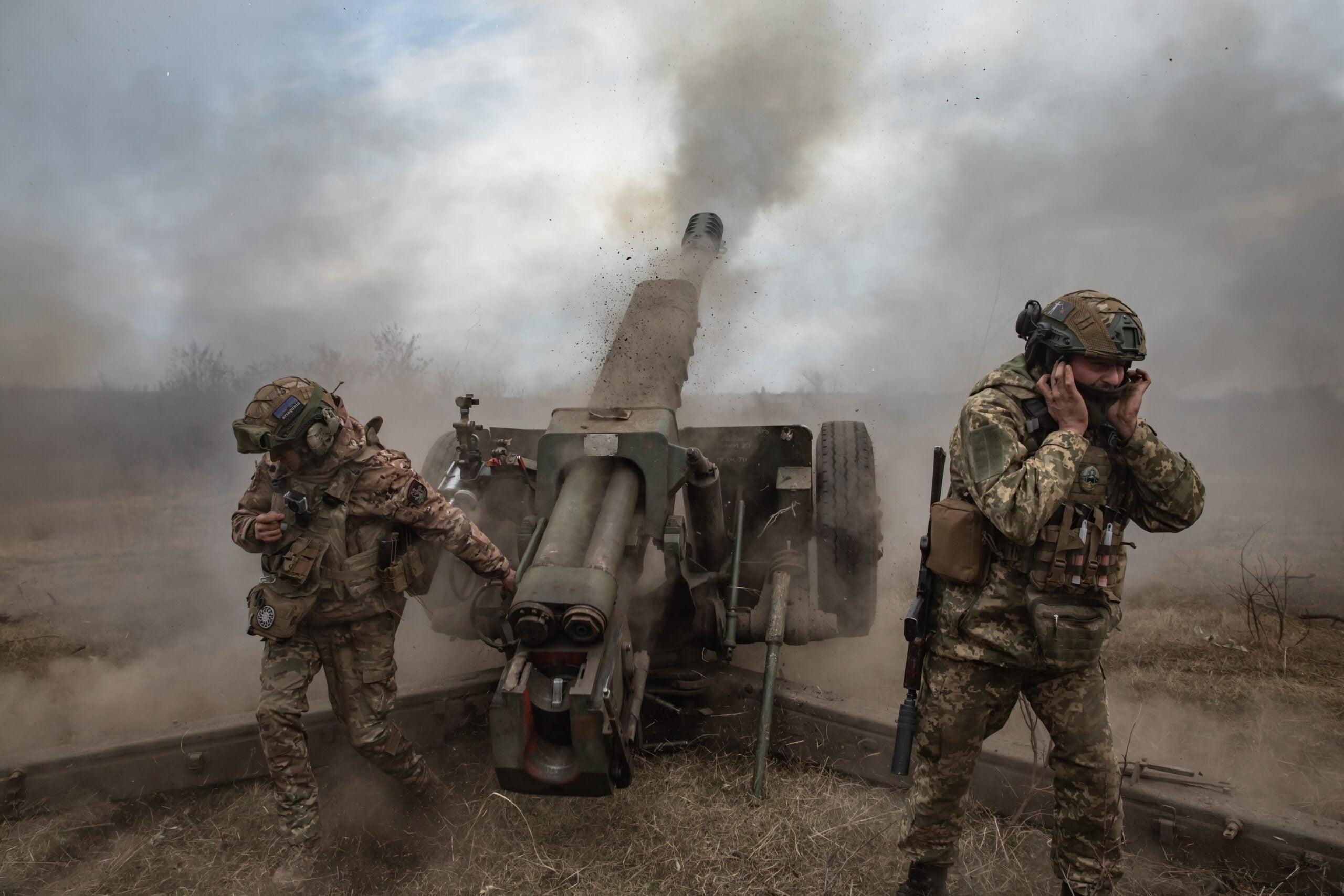
Ukraine has passed a series of diplomatic warnings to Japan accompanied by evidence, including lists and photos of Japanese components—such as motherboards and transmitters—found in debris from missiles that struck civilian areas.
 3+
Japanese manufacturing giants, including NEC, Panasonic and Toshiba, have made clear they are committed to the sanctions and deny any intentional sales to Russia, with the suspicion being that the equipment is sold to third countries and smuggled from there.
Japan’s ability to deal with the phenomenon is limited due to outdated espionage laws and the absence of an official foreign intelligence agency—a legacy of the post-World War II era. While the Japanese government has declared its commitment to preventing technology leakage, Western intelligence officials warn that Russian smuggling networks continue to operate almost without interference, fueling a war that has claimed the lives of hundreds of thousands.