


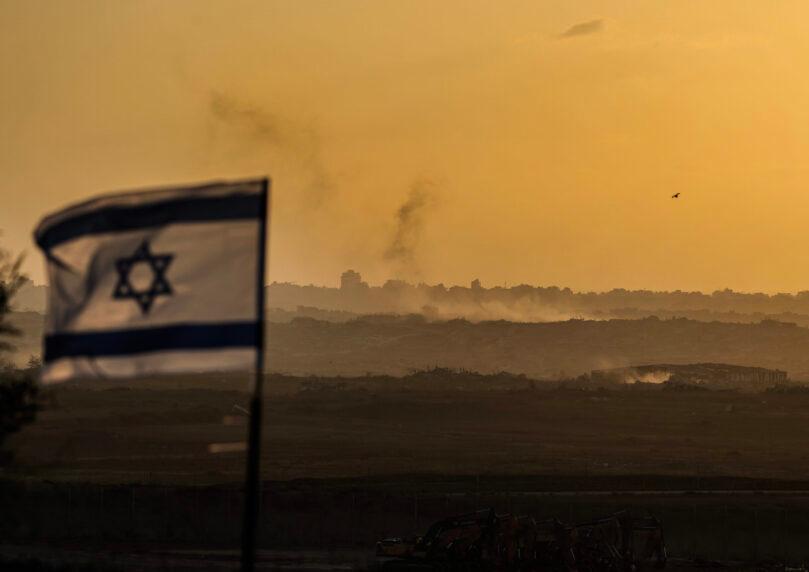

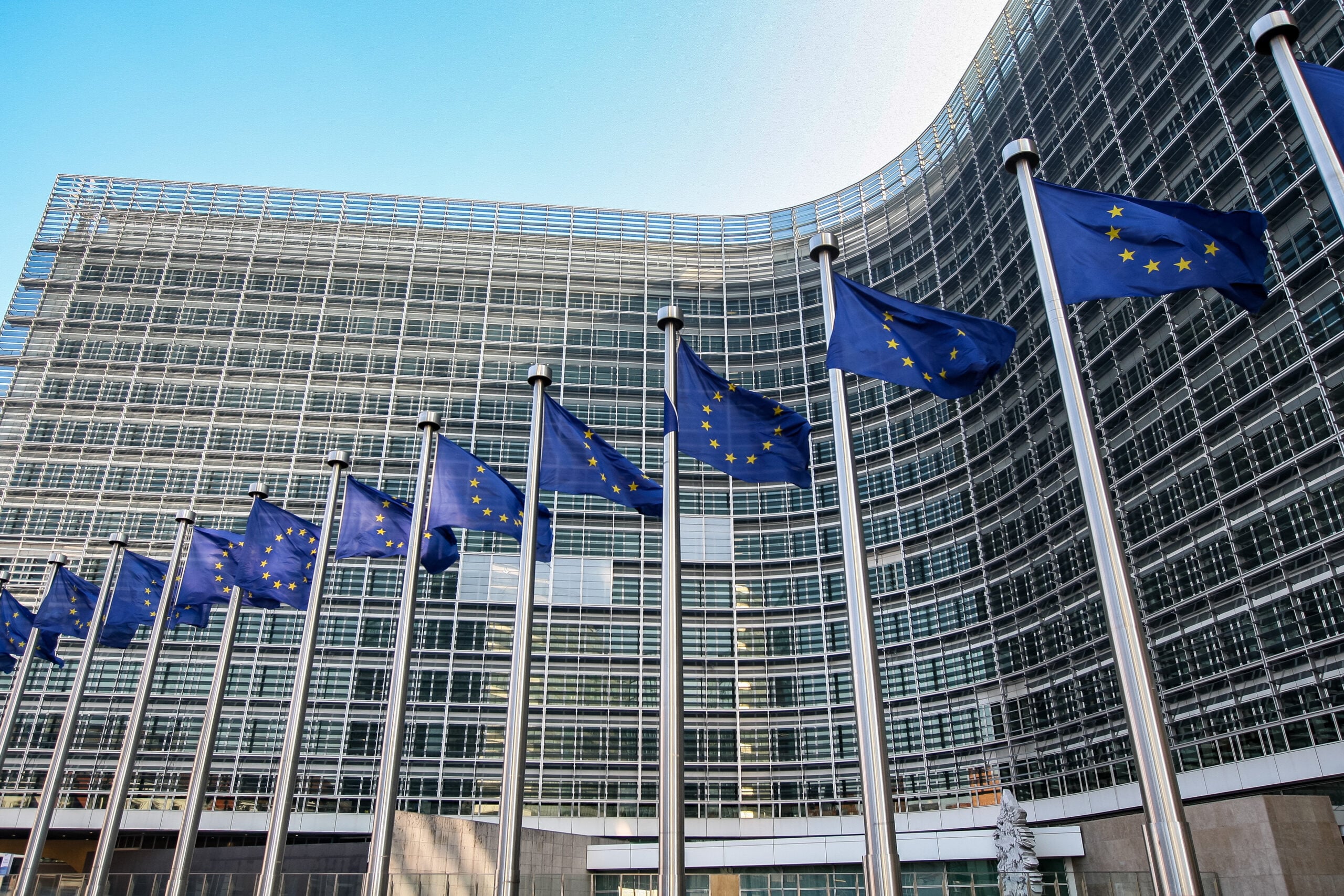
The European Commission distributed a document to member states Thursday outlining various options to increase oversight and restrict imports of goods produced in Judea and Samaria, the Golan Heights, and East Jerusalem, according to Euronews.

 2+
2+The document comes after most EU foreign ministers requested in June to examine restrictive measures against products from these areas. Options under consideration include partial or full import bans, tariffs designed to make imports economically unviable, and stricter licensing procedures for exporters.
Legal Challenges and Lack of Consensus
According to European diplomats, the current initiative reflects a stalemate in forging agreed policy. The European Commission argues that a foreign and security policy legal basis is required—which demands unanimous support—something that could make passing the measures difficult in practice.
 2+
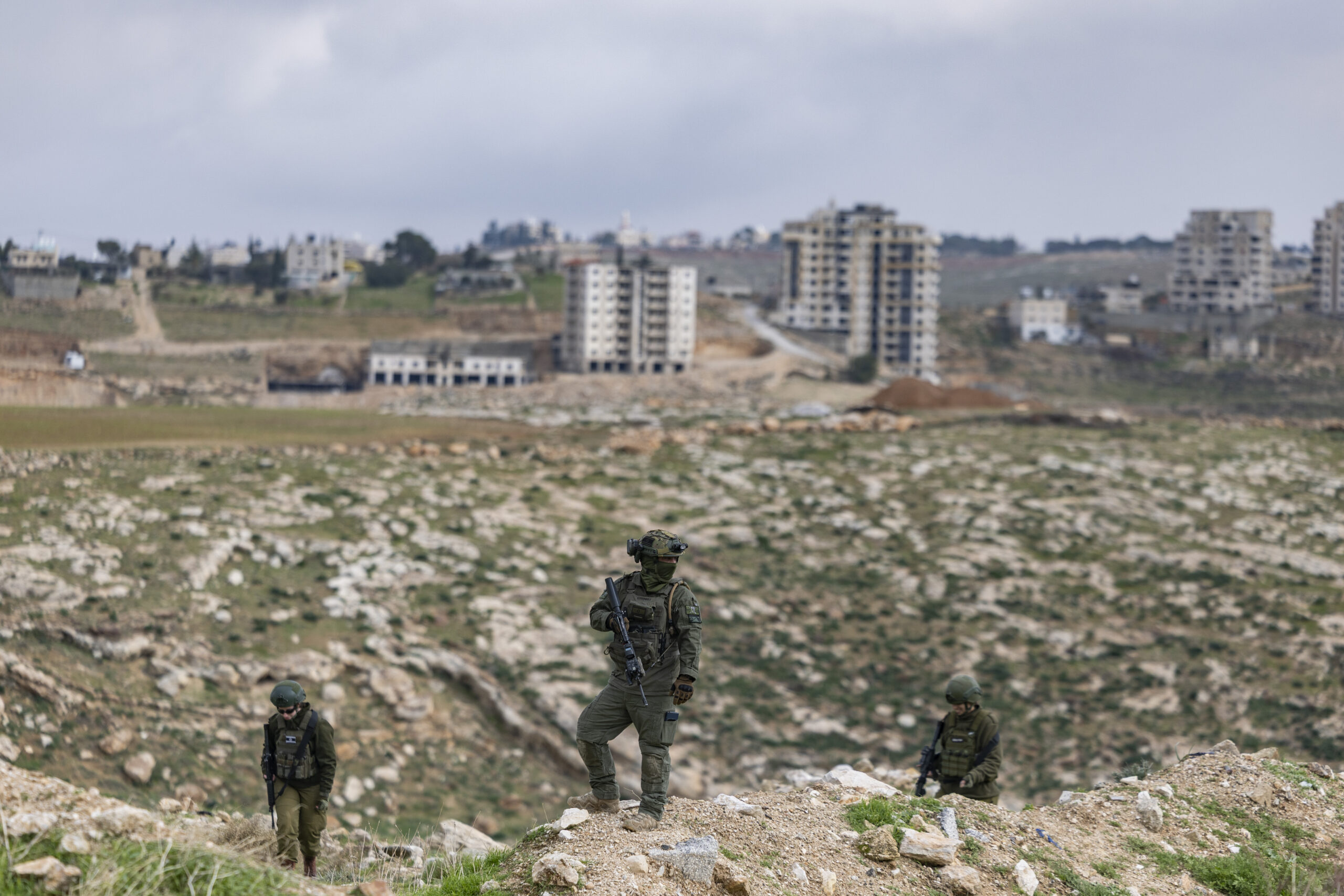
2+The EU Council’s legal services, however, believe it may be possible to rely on a trade policy legal basis, which requires only a qualified majority. A diplomatic source noted the issue is under review but no formal decision is expected soon, with the next formal discussion scheduled for October.
Reality on the Ground vs. European Demands
While certain EU member states are advancing the discussion based on their political positions, Israel rejects the characterization of these areas as illegal and defines them as temporary sites.
 2+
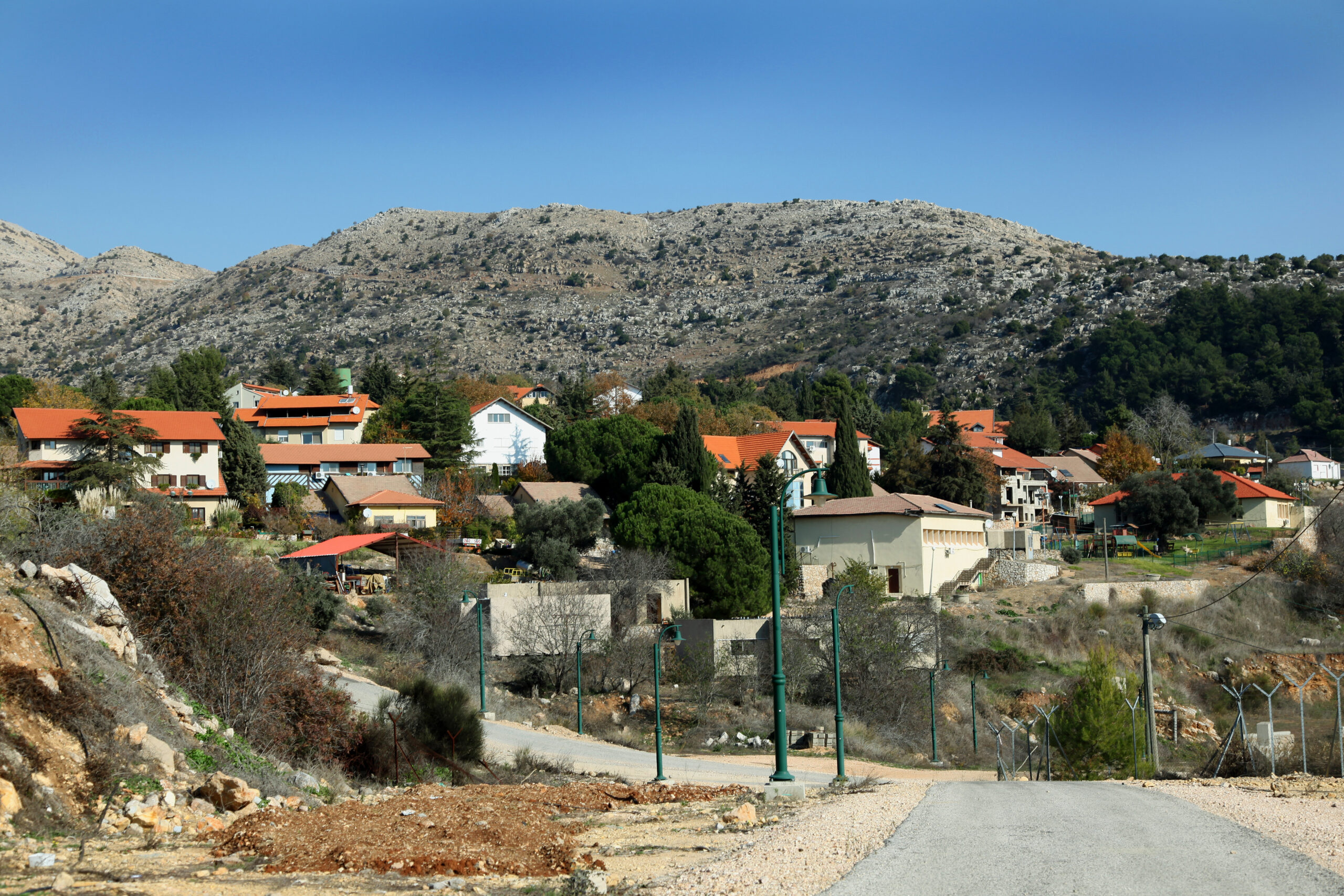
2+Israel has recently been working to strengthen control in the area through planning and licensing measures—steps the EU claims contradict previous agreements. In the circulated document, the Commission acknowledges that proposed mechanisms like export licenses or tariffs could face enforcement difficulties and circumvention attempts, as exporters continue selling their products in the European market even under existing restrictions.