


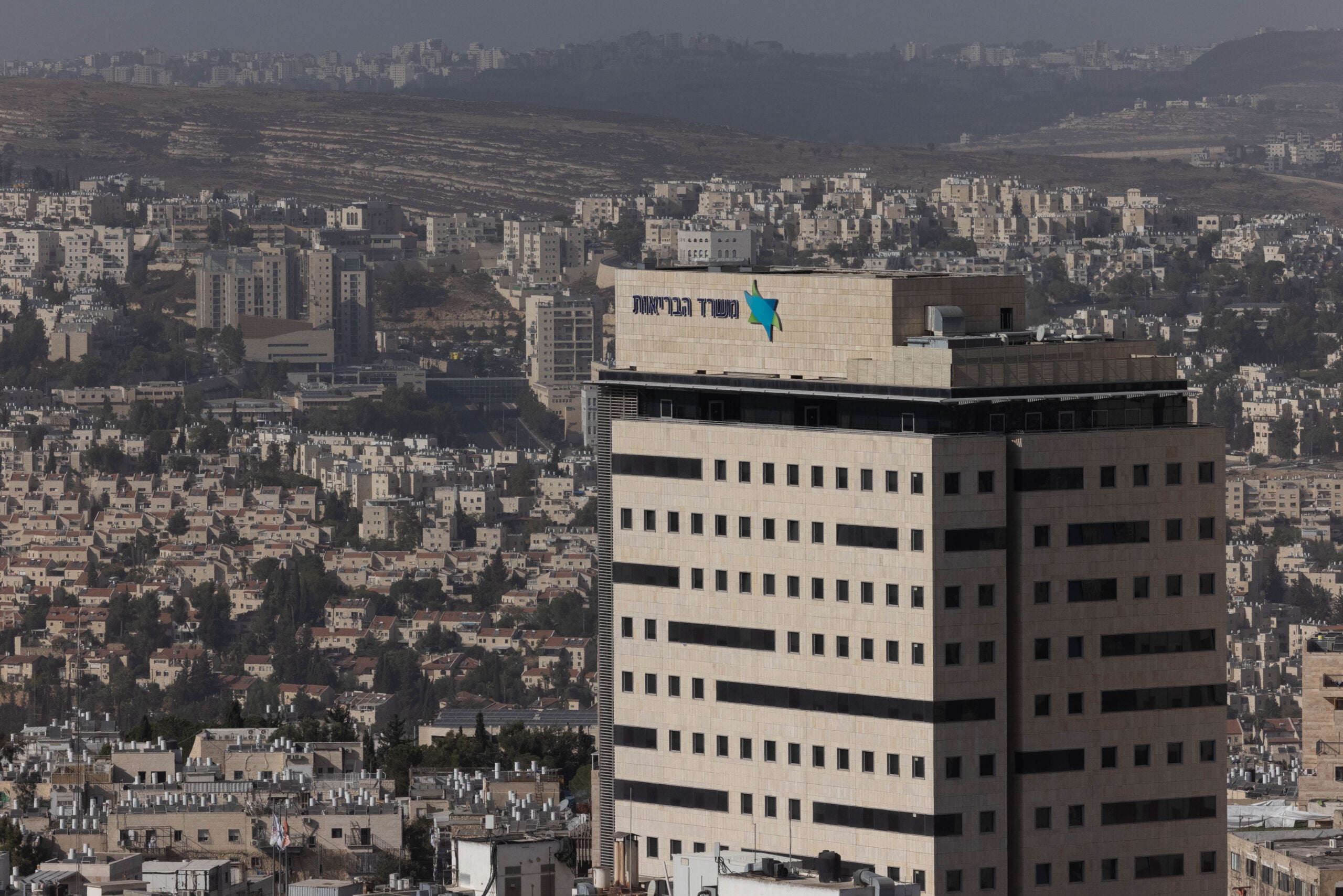
The Health Ministry and Environmental Protection Ministry issued another warning to the public Tuesday after water tests conducted July 6 in northern Israel’s streams revealed abnormal bacterial contamination levels. The findings continue a pattern of contamination reported in recent weeks.
Officials are urging the public to avoid entering the water at several popular swimming spots until test results return to normal and stabilize. The samples showed high concentrations of fecal coliform bacteria—an indicator of water contamination—exceeding the Health Ministry’s recommended threshold of up to 400 bacteria per 100 milliliters of water.
Sites where abnormal levels were measured:
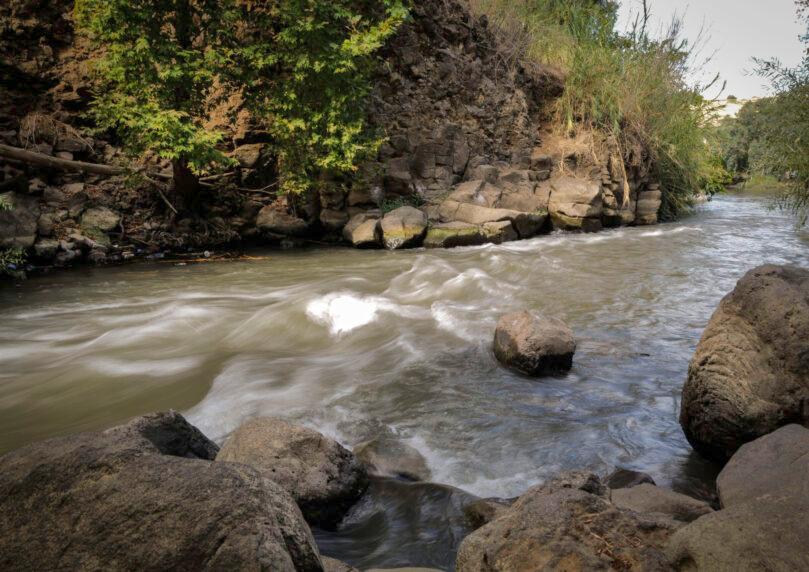
Jordan River – from Gesher Yosef to Gesher Arik, with values ranging from 460 to 1,200.
Hexagon Pool – 1,320.
Jilbon (Devorah Falls) – 800.
Zakhi – 2,800, the highest reading recorded.
Yehudiya (Yehudiya Falls) – 420.
Tzalmon – Haruv Pool, which returned a result of “covered plate,” meaning the bacterial count was too high to measure.
Nahal Keziv – Ein Tamir (450) and Ein Hardalit (700).
Based on the findings, the Health Ministry and Environmental Protection Ministry recommend not entering the water at the following sites: Jordan River from Gesher Yosef to Gesher Arik, Hexagon Pool, Jilbon, Zakhi, Yehudiya, Haruv Pool in Nahal Tzalmon, and Ein Tamir and Ein Hardalit in Nahal Keziv.
The Environmental Protection Ministry notes that no known source of contamination has been identified at this stage. Sampling is conducted routinely every two weeks by Nature and Parks Authority inspectors at fixed points throughout the Upper Galilee, Golan Heights, and Western Galilee. The Health and Environmental Protection ministries emphasize they will continue conducting samples and monitoring water quality, and will update the public as the situation develops.