


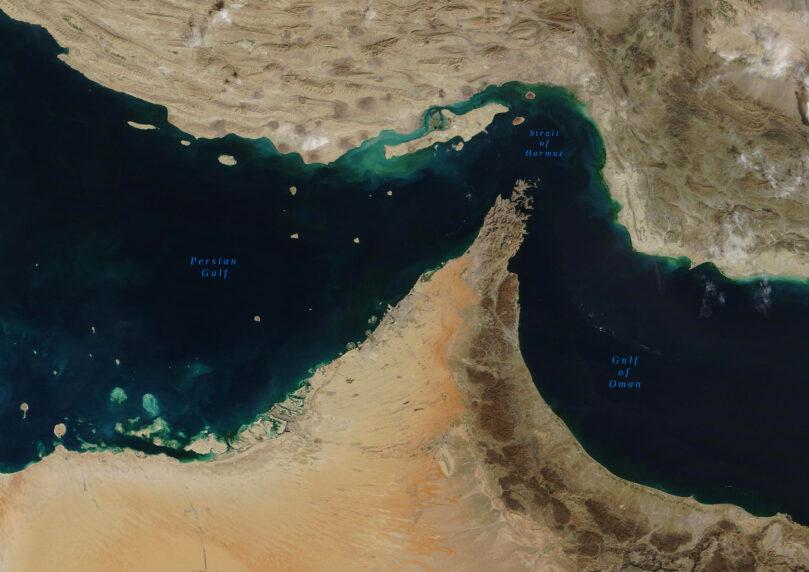

The war with Iran and the effective shutdown of the Strait of Hormuz over the past three months have inflicted heavy economic damage worldwide, but a comprehensive analysis released Monday by Washington-based consultancy Asia Group suggests the biggest winner from the crisis may be China. According to the report, which used AI modeling among other tools, Beijing managed to dodge the inflation spike and political shocks that hit its Asian competitors hard—strengthening its position as a competitive and stable global manufacturing center, the New York Times reported Monday.

 4+
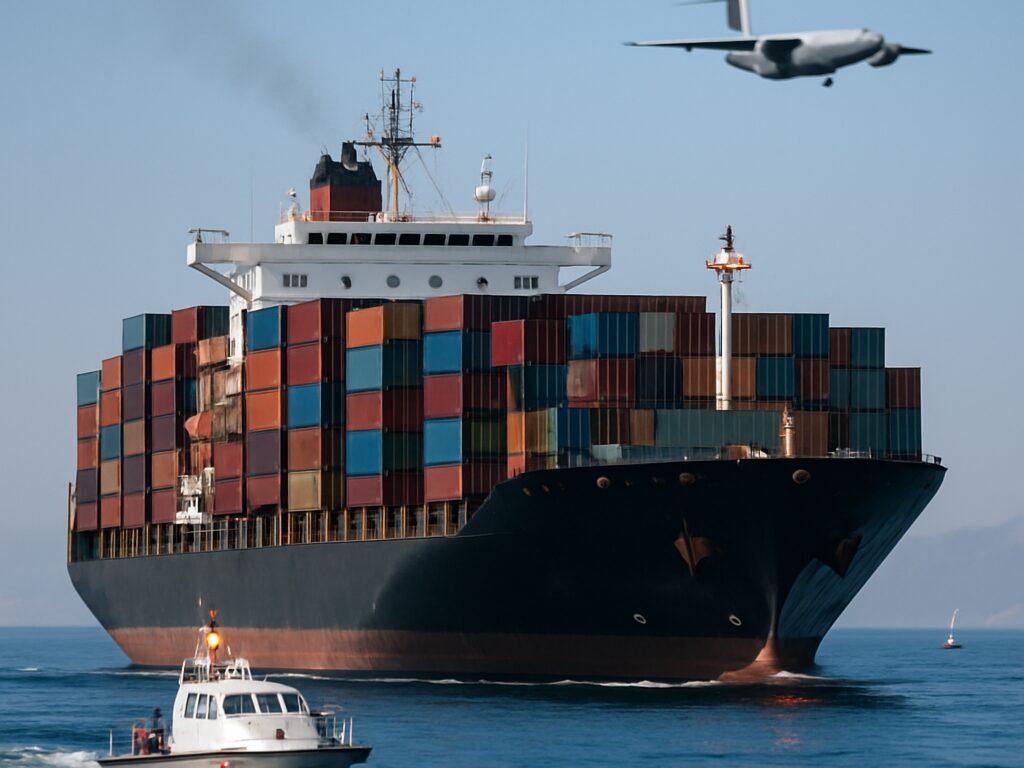
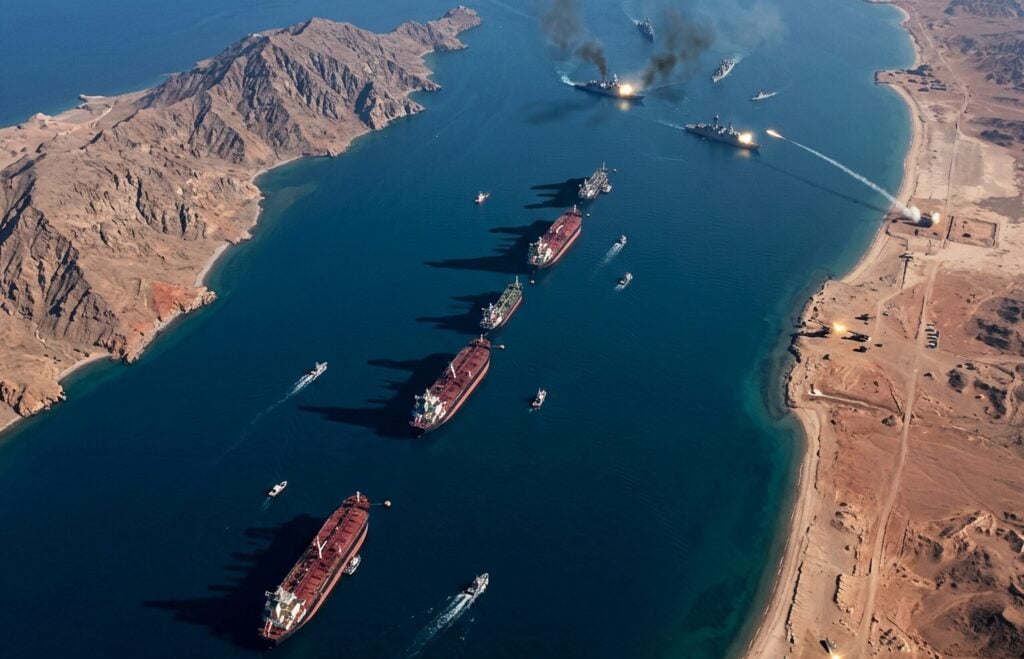
4+Asia, the world’s manufacturing powerhouse, depends almost entirely on the Middle East for energy, with 80% of its oil and 90% of its natural gas passing through the Strait of Hormuz. The strait’s closure sent global energy prices soaring and disrupted supply chains for critical raw materials including naphtha—used to make plastics and chemicals, helium—for semiconductor plants and MRI machines, and sulfur—needed to refine copper, nickel, and minerals for electric vehicle batteries.
While Chinese factories still depend on imports of sulfur, helium, and naphtha through the strait, the country managed to absorb the economic shock. China leaned on its oil, gas, and clean energy reserves, and imposed export restrictions and quotas on domestic refineries. As a result, China’s oil imports plunged more than 30% year-over-year in May, leaving greater supply in the global market for other countries and preventing price spikes inside China.
 4+
4+“It’s hard not to conclude that China is the winner here,” explained Kurt Campbell, chairman and co-founder of Asia Group and former U.S. deputy secretary of state in the Biden administration. Campbell noted that the crisis demonstrated Beijing’s ability to use price controls, export controls, subsidies, and managed currency to cushion shocks.
Meanwhile, other Asian nations are experiencing severe economic and political turmoil from the Hormuz disruption: In India, soaring prices for fertilizer, fuel, and food sparked fierce political opposition against the government, threatening serious damage to more than 40% of the country’s workforce employed in agriculture—especially ahead of a weak monsoon season.
 4+
4+In Japan, government fuel subsidies have already reached half the value of the country’s defense budget, intensifying fiscal pressure on the government. Shortages of aluminum and naphtha led to production cuts and delays at Japanese automakers.
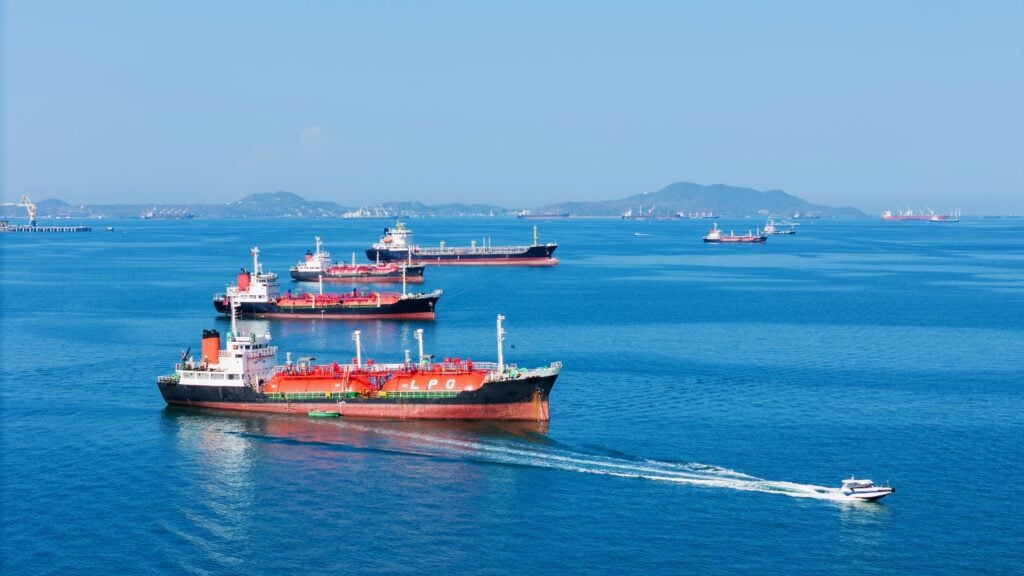
In Southeast Asia, many countries are net energy importers and were forced to seek emergency loans. The Philippines declared a national energy emergency alongside worker strikes; in Indonesia, nickel producers cut output due to sulfuric acid shortages, and tourism in Bali collapsed due to soaring airfares.
 4+
4+The current crisis has driven Southeast Asian nations to turn to China to supply solar panels, energy storage systems, and electric vehicles—industries China dominates and whose export figures have surged. According to analysts, this could slow the global trend of companies moving their factories out of China to other Asian markets.
For the United States, the direct impact of the strait’s closure is limited due to its domestic energy production, but the report warns of negative consequences for the artificial intelligence industry. The Hormuz crisis has created severe strain on Asian supply chains that produce semiconductors, transformers, power systems, and copper used to build U.S. data centers.
 4+
4+Although the Trump administration announced a temporary peace deal and traffic through the strait has begun to resume, the exchange of strikes and threats between the U.S. and Iran in recent days raises serious doubts. Analysts estimate that even if the ceasefire gets back on track, the consequences will be long-lasting, as the persistent threat to freedom of navigation will drive up insurance costs for shipping companies and force them to choose longer, more expensive detour routes. Campbell warned that energy reserves in countries like Japan and South Korea are running low: “In many ways, from jet fuel to diesel, we’re almost running on empty.”