


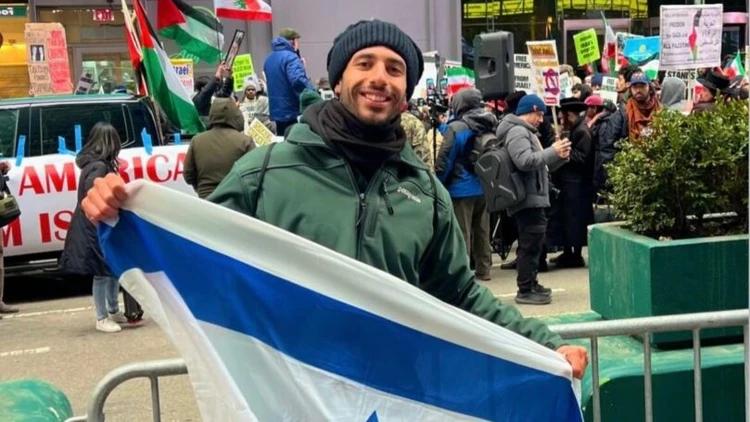

The “Iron Swords” War, or as some call it the “War of Resurrection,” proved that in addition to fighting against Israel’s enemies on the nation’s soil, another and equally important war is taking place throughout the world, and it is the war of propaganda. Where the State of Israel has failed, many citizens have taken on private initiatives to clear Israel’s good name in the face of a far-left anti-Israel media that never ceases to smear IDF soldiers. One of them is a reserve soldier, Adi Karni, who is only 23 years old.
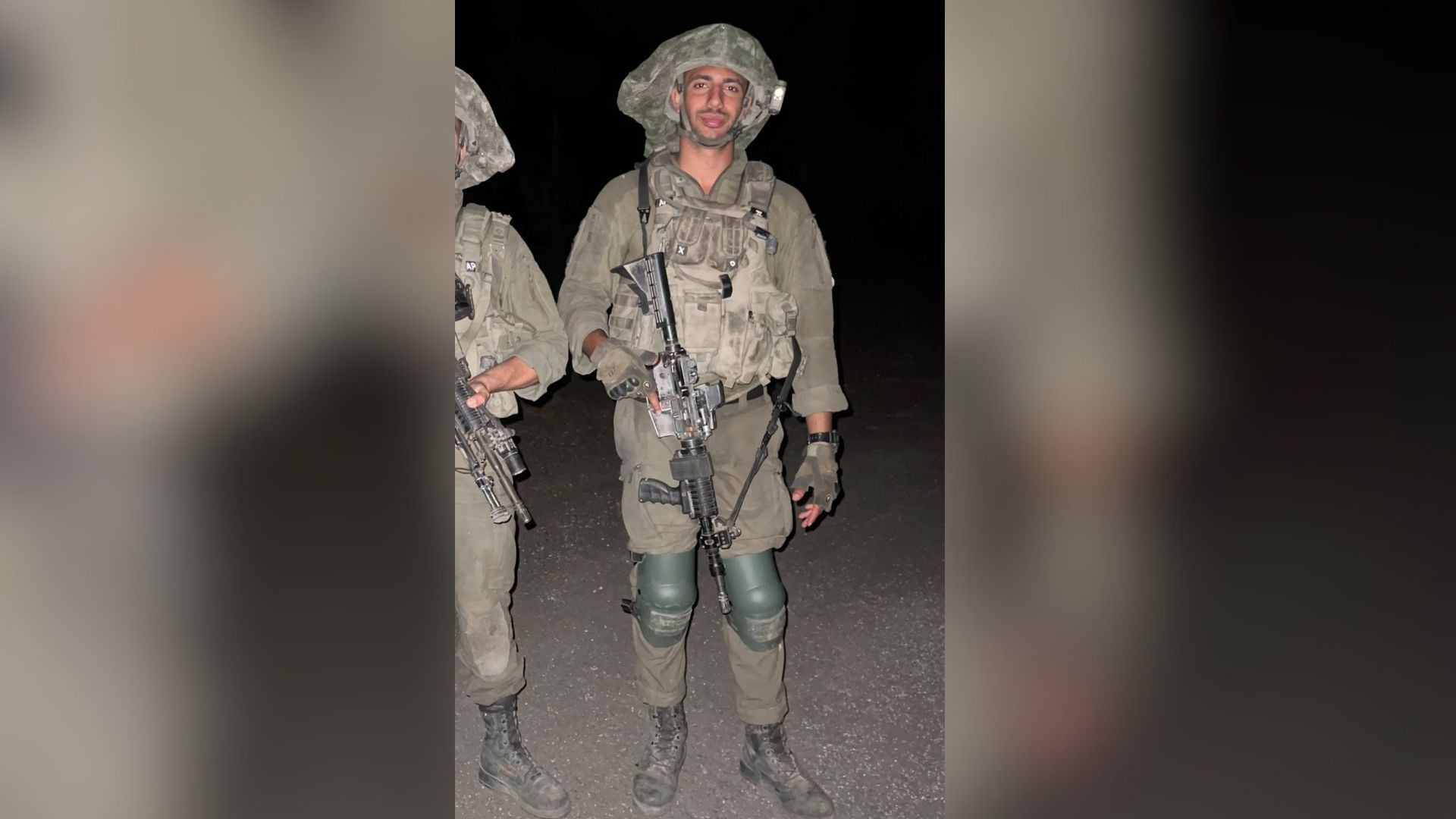
In an interview with C14, he talks about the complex path he has taken since the outbreak of the October 7 massacre. Karni, who was a regular soldier at the time, fought in Gaza and Lebanon and lost close friends on the battlefield. Upon his release from reserve service, he went on a post-service trip to South America, but there he discovered that the war was also pursuing him overseas. “I realized that traveling abroad right now, as an Israeli soldier, is terribly difficult,” he shares. “There were arrest warrants against me in four countries, the Foreign Ministry called and said that I had to flee because they were looking for me.”
The pursuit of Karni stemmed from the activities of anti-Israel organizations such as “Hind Rajab” who followed his movements. After being forced to leave South America, he arrived in New York and began working at a summer camp. But even there, the anti-Israel atmosphere was not long in coming from European and American counselors. “For them, I finished a genocide in Gaza and came to work with children,” he describes the cold treatment he received, which ultimately led to his dismissal and being thrown out on the street without family or support in upstate New York, where he was forced to walk miles until he found a synagogue that helped him.
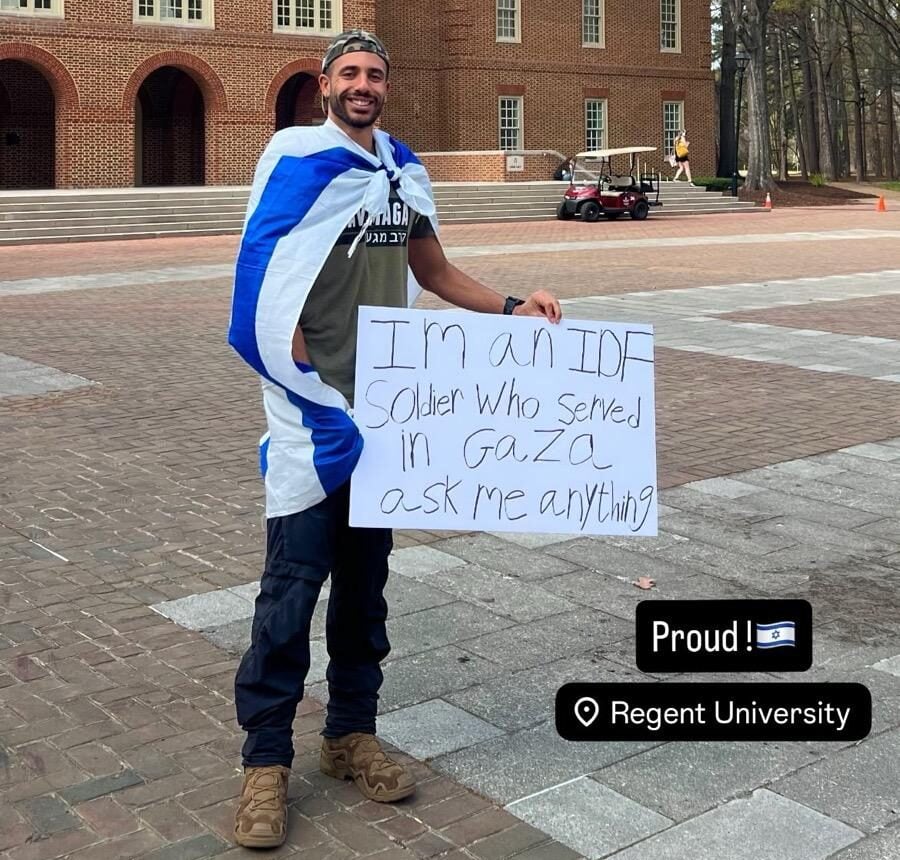
The turning point came when Karni went to visit the mother of his comrade-in-arms, the late Jonathan Dean Haim, a lone soldier who converted to Judaism and fell in battle. The visit led to an invitation to speak at an FIDF event, and from there the doors to the world of advocacy opened. Karni began moving between universities with a simple but bold initiative: a table and a sign that read “I’m an IDF soldier who served in Gaza, ask me anything.” “Many times it led to violence and cursing,” he admits, “but I don’t stoop to their level. As far as I’m concerned, they’re ignorant people who watch videos online, and I show them pictures I took myself from Gaza.”
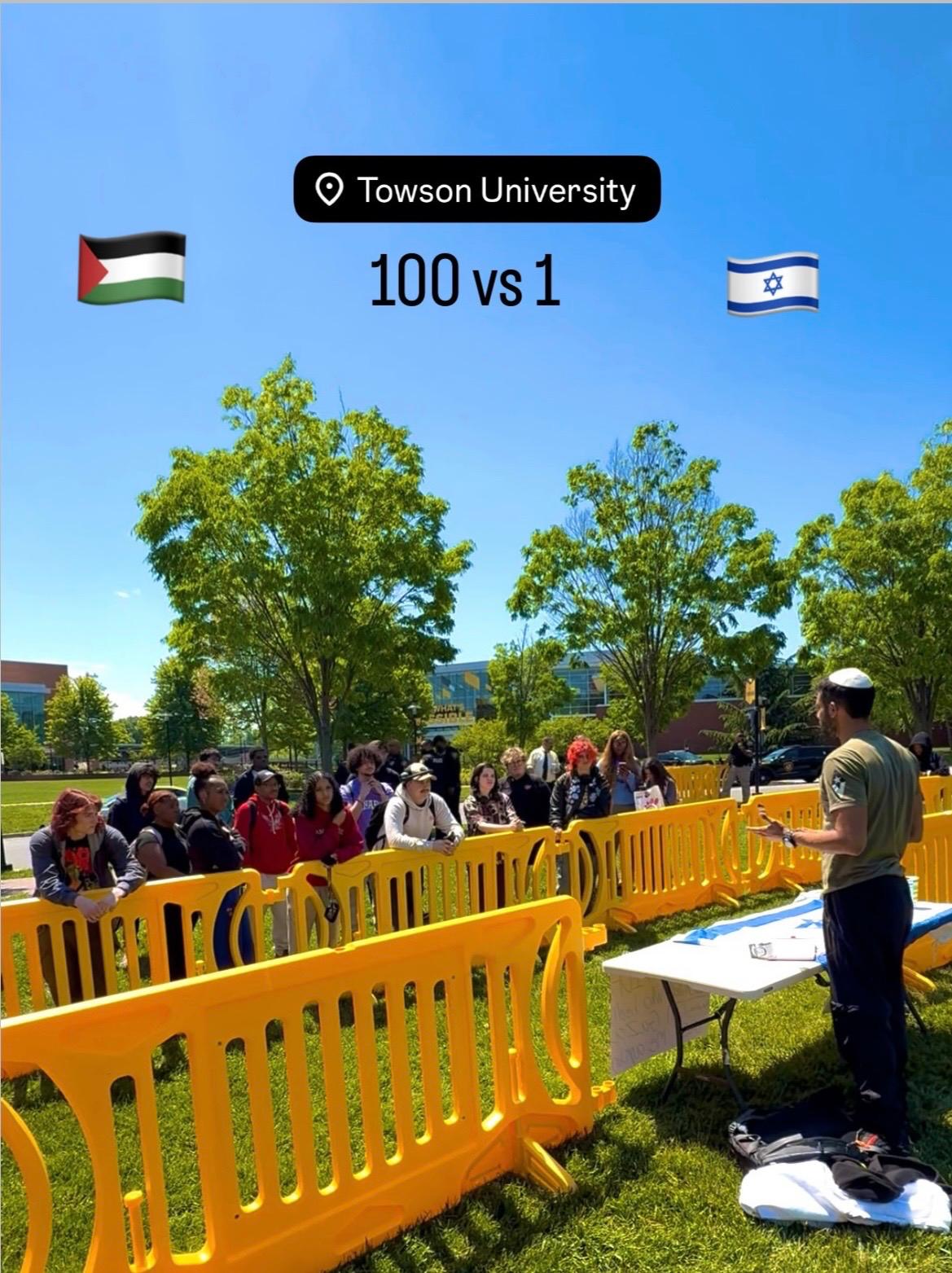
One of the most extreme cases he experienced occurred at Towson University in Maryland. While he was standing at his information desk, an extremely hostile crowd began to gather around him, including the university’s leadership, which asked for his removal, even though he hadn’t broken any of the laws. The climax came when Gazan from Khan Yunis, who was studying in the United States, jumped over police barriers and began destroying the desk and tearing up the Israeli flag. “It was an extreme event that reached six million views worldwide, even on the news in Tehran,” says Karni. “It just proved to me how critical this work is.”
In his conversations with students abroad, Karni has had to deal with harsh claims of “genocide,” “starvation,” and “occupation.” He notes that most of the protesters are unfamiliar with the basic history of the State of Israel. “When I tell them facts about ’48 or ’67, they don’t know what to answer,” he explains. To refute the lies, he uses documentation from the field: “They talk about the starvation, and I show them videos I filmed myself of aid trucks entering the Strip. If they come with an open mind, I’ve managed to convince quite a few people to change their minds.”
Despite his success on social media, where he amassed tens of thousands of followers in a short time, Karni believes that the State of Israel does not invest enough in official public relations. He financed his flights and activities from his own pocket, while sleeping on couches in Jewish communities to continue his mission. “The state hardly does public relations, unfortunately,” he states. “The government needs to really develop an public relations system with a salary and organized training. I’m doing this for my friends who didn’t survive Gaza, so that they don’t fall in vain and so that we can continue to live and smile.”
Today, Adi Karni is already planning his next tour in the United States, this time with a personal security guard. He aspires to reach the level of well-known activists like Yoseph Haddad and represent the country on every possible stage, using the fluent English he has acquired. “I feel that it has the same meaning as being in the reserves, just fighting in a different arena,” he concludes, “We are fighting for our identity against an enemy who uses violence. I am not afraid, because I know that I am on the right side and I am committed to continuing to represent us with honor.”