


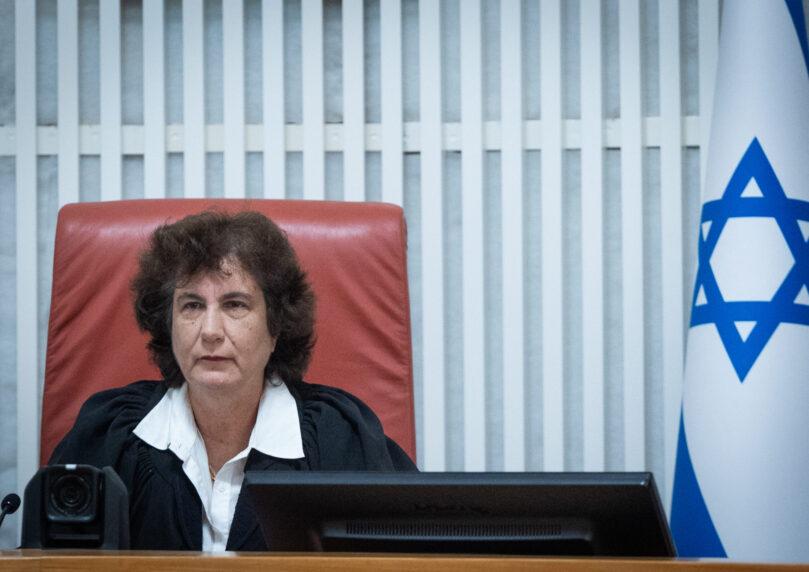

Despite the Supreme Court’s decision to approve Maj. Gen. Roman Gofman’s appointment, Justice Daphne Barak-Erez wrote in dissent that the petition should not be dismissed at this stage and that the facts need further investigation before the appointment takes effect.


 1+
1+Barak-Erez ruled that the flaws in the al-Maqayis affair—in which Gofman allegedly deployed a minor and abandoned him in real time—don’t allow the legal process to end at this stage. She wrote that because the deficiencies relate to the factual foundation on which the committee acted, even further review of existing material couldn’t remedy the flaw.
The justice pointed to two central questions that she said weren’t fully investigated. The first concerns whether Gofman told the truth during the inquiry conducted by the IDF’s Operations Directorate, when he said he had no knowledge of any connection between Division 210 and Telegram channels in general, or to al-Maqayis’s channel specifically. The second issue, which she called “the question of standing aside” or “the question of abandonment,” deals with Gofman’s conduct after he learned of al-Maqayis’s arrest.
 1+
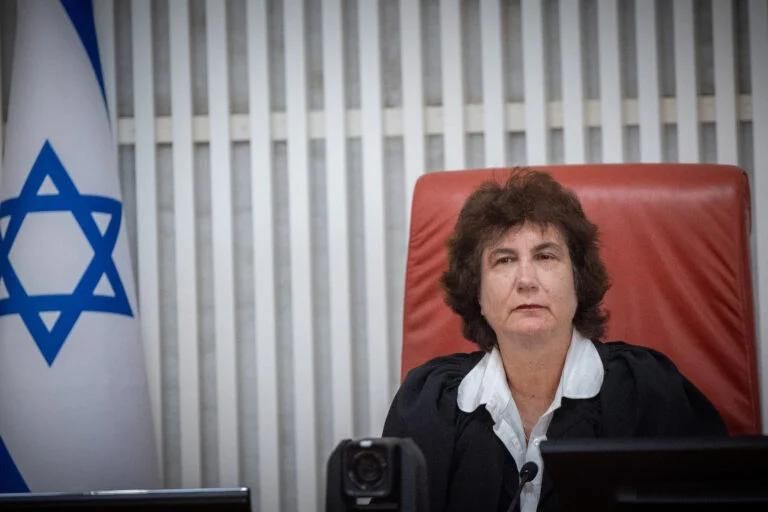
1+Barak-Erez criticized the committee for not completing its work by summoning additional witnesses who hadn’t yet appeared before it, and for not re-summoning witnesses who needed to be asked additional questions. She wrote that those witnesses could have shed light on Gofman’s answers, completed the factual picture, and helped resolve contradictions that emerged between the different versions.
Still, the justice emphasized that the existing material provides no basis for casting aspersions on Maj. Gen. Gofman himself. At the same time, she noted this is a case that requires “resolving doubts”—both in the name of the public interest and from Gofman’s own perspective. She wrote that had her opinion been accepted, there would have been grounds to issue a conditional order as well as an interim order suspending the appointment from taking effect until the investigation was completed.