


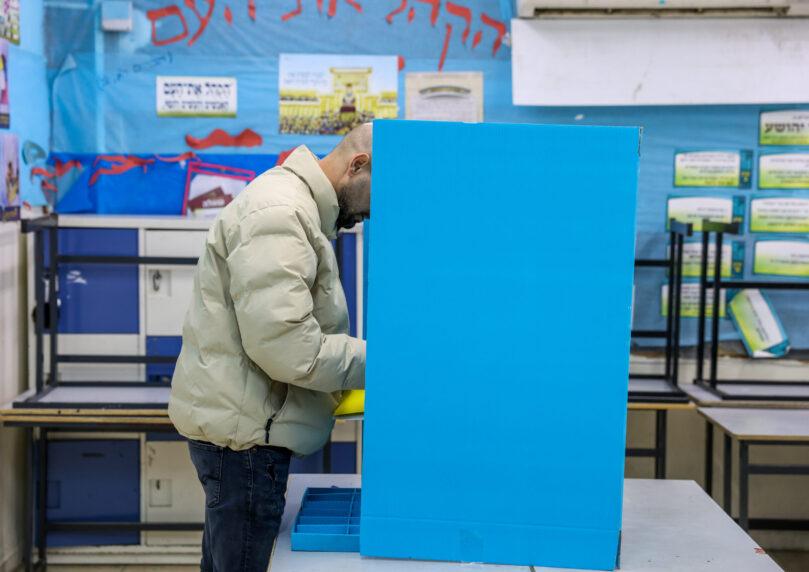

In recent weeks we examined the expected surge in voters in the upcoming elections—especially first-time voters—around 600,000 young people and how they break down. A reminder: they add nearly 2 mandates of advantage to the right.
Today we’ll tackle the opposite question: how many voters are registered on the voter rolls but have no chance of showing up to vote, and how they skew all the pollsters’ assumptions. We’re calling them “ghost voters.”
Who are the ‘ghost voters’?
These are voters registered in the voter registry but for many years haven’t lived in Israel and don’t vote. And surprisingly, no one really knows where they live today—and perhaps some are no longer alive.
How does this happen?
The law stipulates that anyone born in Israel or who immigrated to Israel and received an identity card is eligible to vote. Their name is entered into the voter registry and is never deleted from there, unless that person renounced their Israeli citizenship or died and was buried in Israel. This has created over the years a gap of around 700,000 ghost voters in the voter registry.
The largest group of ‘ghost voters’ belongs to immigrants from the former Soviet Union who came to Israel from the 1990s. The estimate is that around 25% of them left Israel over the years but remained registered in the voter registry. Where did they live during the period they stayed in Israel? They concentrated in immigrant absorption cities—most in the periphery and most cities identified with the right/Likud—and remained registered there.
Why should we even care?
Because the gap creates a distorted picture of turnout percentages. Take an example of three opposition-leaning, expensive cities in the center of the country versus three Likud immigrant absorption cities from recent decades, and see what happens after you clean out the ‘ghost voters’ and look at the net voters actually living in the city.
We tested this formula on the 40 major cities in Israel—half with majorities for opposition parties and half with majorities for coalition parties—and got a stunning result.
In both groups, the real turnout percentage is around 80% for opposition cities and 79% for coalition cities. If you add double-envelope voters proportionally and according to age formulas (soldiers, police, polling committee members, patients, prisoners and disabled), you get that Israel’s turnout rate is among the highest in the world at around 85%, and there are almost no apathetic voters or “people who stay home.”
And a final word about Bat Yam, which is still low in net turnout. Remember the series “Miami Bat Yam” about Israelis who emigrated? Nearly half a million native-born Israelis live in the U.S. today. The two largest concentrations are Miami and Los Angeles. Apparently Bat Yam also has several thousand ghost voters registered who were born in Bat Yam and left Israel over the years. (But this is almost impossible to measure.)