


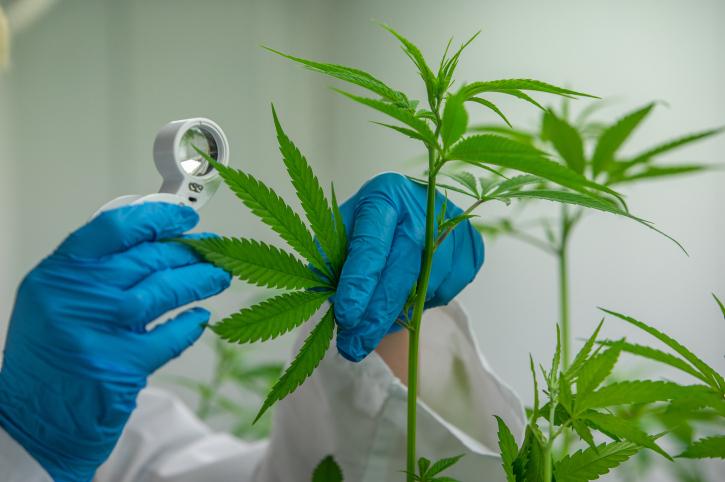

A decade after the government decision to regulate the use of cannabis for medical purposes, Israel has become a world leader in usage—but now finds itself taking a hard second look at the risks.
The numbers show a dramatic surge: from around 33,000 patients less than a decade ago to roughly 140,000 today. Most users are men, many under 45. Alongside the jump in patients, there’s a troubling trend toward high dosages—about 62% of patients consume more than 30 grams, mostly in high-THC concentrations and primarily by smoking.
The Health Ministry stresses that cannabis can help ease pain, anxiety, and trauma, but can also cause harm, especially with prolonged or uncontrolled use. Since the war began, officials say, more Israelis have turned to cannabis for psychological distress, sharpening the need for tighter oversight.
Against this backdrop, a professional committee was formed to examine usage trends and their implications. Among the findings: cannabis still doesn’t meet the standards of a pharmaceutical drug, and the existing research—especially in mental health—remains limited.
One central issue under review is using cannabis to treat PTSD. The committee urges caution: while there’s evidence of short-term relief for symptoms like sleep disturbances or anxiety, long-term effectiveness hasn’t been proven, and there’s concern it may impair the ability to return to normal functioning.
The committee recommends a series of major changes: stricter medical supervision, more precise dosage guidelines, mandatory regular monitoring, and mechanisms for early detection of addiction. It’s also considering a gradual phase-out of smoking within three years, favoring measured extracts or inhalers instead.
Another proposal would transfer overall treatment responsibility to the health funds, so the treating physician would have access to complete medical records and could manage continuous, controlled care. The Health Ministry emphasizes there’s no intention to deny treatment to patients who need it, but rather to regulate it so it’s safer, more precise, and better grounded in evidence.
Medical cannabis became a common treatment tool within a decade—but now, as use expands rapidly, the health system wants to pause, reassess, and make sure the solution isn’t becoming the problem.