


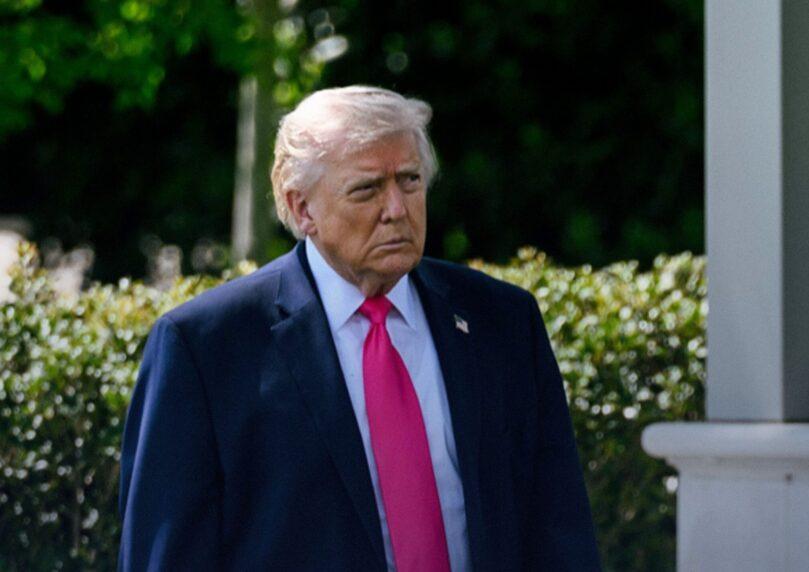

The crisis in U.S.-German relations hit a breaking point: Following a war of words between President Trump and Chancellor Friedrich Merz over the war with Iran, the Pentagon announced it’s pulling roughly 5,000 troops from Germany. German Defense Minister Boris Pistorius acknowledged the move. T
he evacuation announcement was officially made on Friday by Pentagon spokesman Sean Parnell, who confirmed that “the Secretary of War has ordered the withdrawal of the troops.”
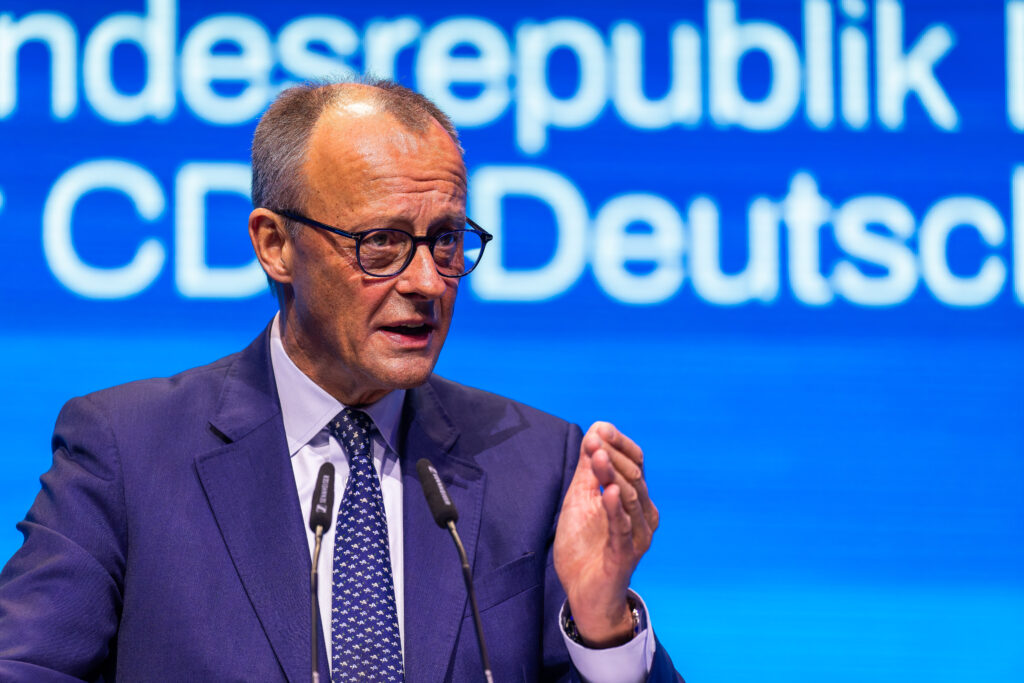
The move was seen as a direct punitive step by the Trump administration against the German government, after Chancellor Friedrich Merz sharply criticized the American strategy in the war against Iran and claimed that Washington was being “humiliated by the Iranian leadership.”
Pistorius’ statements reflect his resignation to the new transatlantic reality. He noted that, “it was expected that the US might withdraw forces from Europe, including from Germany.” In his remarks, the minister emphasized that the move requires European countries to take greater responsibility for their security: “If we want to remain transatlantic, we must strengthen the European pillar within NATO.”

The conflict was reignited last Monday, when Chancellor Merz addressed American involvement in the Middle East and expressed hope that the conflict with Iran would end “as quickly as possible.” His comments about the humiliation the United States is suffering angered President Trump, who sees Germany as an ally that is not adequately shouldering the security burden while criticizing American policy.
The decision to withdraw 5,000 troops has made waves, sparking mixed reactions that point to cracks in the Western alliance: Alliance officials express grave concern that the withdrawal of forces will harm deterrence against Russia and undermine operational unity. “Transferring forces because of personal conflicts between leaders is a dangerous precedent that harms collective security,” said officials at the alliance’s headquarters in Brussels.
In France and Poland, similar calls to Pistorius’s are being heard. President Macron is expected to use the momentum to once again promote the vision of Europe’s “strategic autonomy,” arguing that Europe can no longer rely on the American security umbrella that changes according to the moods in the White House.
Kremlin-affiliated media outlets are celebrating the move as proof of the “disintegration of the West.” Commentators in Moscow claim that the American withdrawal weakens the military presence on the eastern front and gives Russia greater room for maneuver.
In the US, the political system is divided. Trump supporters welcome the move, claiming that “Germany should stop insulting us while we defend it with our money.” On the other hand, moderate Democrats and Republicans warn that this is a gift to Russia and Iran that will weaken the US’s global position.
The withdrawal of troops is not an isolated event, but the culmination of a chain of events that began with the outbreak of war with Iran at the beginning of the year. Since February 2026, the US has been engaged in a difficult military and economic campaign against Iran. Disagreements with Europe over how to conduct the war and the economic cost (mainly fuel prices) have created constant tension.
Chancellor Friedrich Merz, who took office with a conservative and pro-European line, tried to lead a more independent line against Trump, which led to frontal clashes. The reduction of American forces in Germany – which is the most important US logistics center in Europe, including the Ramstein base – is a clear message: US allies are required to fully align with Washington, or pay with their physical security.
Trump’s move presents NATO with the greatest test in its history, with the central question being whether Europe is truly capable of building an independent military “backbone” with a global war on the horizon.